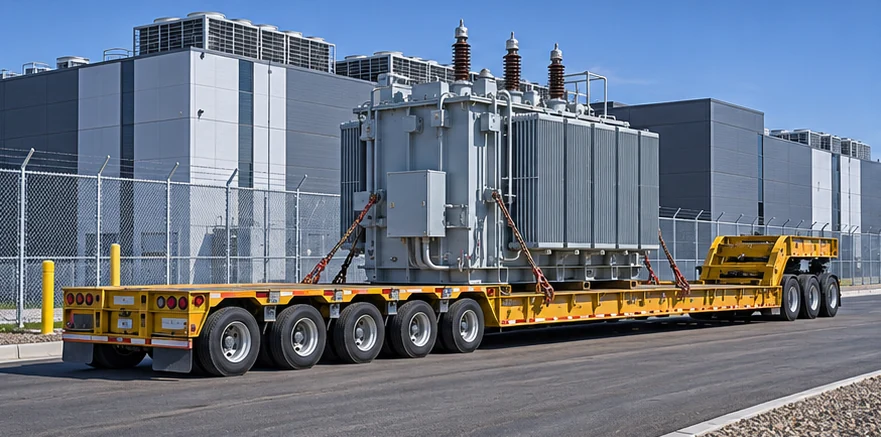
Hypothetical transformer job at a data center
A data center owner purchases a transformer for a new facility. A general contractor coordinates the construction site. A motor carrier brings the transformer on a lowboy. An operated crane rental company supplies the crane and its employee operator. A separate rigging contractor is asked to unload the transformer, move it into a designated staging area and return two days later for the final set. An electrical installer receives the unit at its permanent pad and later performs installation work. The example assumes the crane and operator return for the second visit. It leaves the parties’ insurance, custody and legal responsibilities open for verification.
The initial scope says the rigger will unload and set the transformer. A later attachment asks it to protect the unit from truck arrival through final acceptance. That phrase could reach the staging interval, the second mobilization and even the installer’s activities. The rigger should request a written version describing work, custody, and the acceptance step across both visits. A proposal that prices labor and crane time cannot, by itself, define all the property responsibilities in another document.
Gather the actual documents before comparing terms
Obtain the proposed subcontract, incorporated exhibits, work order, rental agreement and delivery documents. Ask for the latest revisions and note the sequence of dates. Capture the owner and contractor legal names and whether a different entity owns the transformer. Identify the carrier, rental company, rigger and installer by the entities expected to sign and perform. Record who supplies the crane, operator and rigging gear, and which party coordinates each stage with the site team.
Gather the cargo description, documented value and any owner-supplied handling or acceptance requirements. Distinguish the value of the transformer from the crane’s scheduled value and from any contractual delay exposure. Ask whether the contract measures a loss using repair, replacement, declared value or another basis. Include separate costs that could become material, such as freight, removal, testing or an expedited replacement, and ask whether the insurance wording addresses those costs. The High-Value Load Information Worksheet organizes the nontechnical facts for the review.
Compare the agreement, certificate and policy
Read the agreement for the duties the client expects you to assume. Look at indemnity and defense language, responsibility for damage to the transformer, insurance requirements and any provisions addressing damage to the rental crane. Check whether a prime contract provision flows into your subcontract. Ask counsel about the legal effect of indemnity, damage limitations or other risk transfer in the applicable jurisdiction. For example, the Texas Department of Insurance’s certificate FAQ explains restrictions on certificates in Texas. Determine which law applies to this job before using an example from another state.
Read the certificate as evidence of certain information at issuance. Compare each important request against the complete policy, actual endorsements and applicable schedules. A general liability certificate may list substantial limits while saying little about damage to the transformer during handling. A request for additional insured status calls for the applicable endorsement and its conditions. A request to protect the property owner’s interest in the load calls for a separate policy analysis. Check how deductible responsibility, scheduled entities, location and operations align with the agreement.
Keep the property questions separate
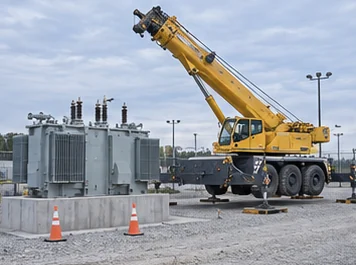
This job has at least three property interests. The transformer belongs to the owner. The crane belongs to the rental company. Other equipment or structures belong to parties at the construction site. An event could affect more than one interest. If the transformer is damaged during unloading, review the language addressing property handled or lifted. If the crane is damaged during the same event, review the equipment policy and damage provisions in the rental agreement. If nearby equipment is damaged, review the general liability policy and the specific facts. Check each line against its own definitions, exclusions, conditions and limits.
Ask whether a particular riggers liability, installation or transit form could respond when the load is on the trailer, being unloaded, temporarily staged, moving to the pad or accepted by the installer. Ask what the form requires about the insured party, covered property, custody, territory and timing. Review any scheduled values, limits per occurrence or location, and valuation wording. Verify whether temporary storage or more than one movement is addressed. Use the project handoff guide to bring those questions back to the people who control the records.
Establish who handles worksite and operator documentation
Name the employer that provides the crane operator and who can confirm the relevant operator records. Identify the party with overall site responsibility for construction and who coordinates information with the crane and rigging teams. At a covered construction job, federal OSHA’s ground-conditions provision describes specific duties, including duties of the controlling entity when one exists. The operator training, certification and evaluation provision addresses employer responsibilities and applicable exceptions. Verify the work’s classification and applicable State Plan jurisdiction before applying a rule to the project.
For an insurance review, collect the role assignments, contract references and confirmation contacts. The qualified project team determines equipment suitability, lift planning and worksite readiness. If the plan changes and the client asks you to supply an operator, substitute a different crane or add temporary storage duties, reopen the scope and insurance discussion against the updated written work order.
Resolve discrepancies before signing
Set up a short issue list. Record the document and section, the obligation as written, the relevant policy or endorsement reference, the person who can confirm it, and any proposed change. In this hypothetical, the highest-priority issue is whether the rigger is expected to remain responsible for the transformer during the two-day staging period. The contract reviewer can ask the owner and GC for a defined custody transition. The broker can then check the revised exposure against the applicable policy wording and confirm which questions still require an insurer response.
Other decisions may include whether the final set ends at pad placement or signed acceptance, when the operated rental company is released, and who documents the transformer’s condition at each transition. Carry the approved terms into the agreement, rental order and site handoff plan. Use the Project Handoff Worksheet for the live record and bring the governing documents to your insurance discussion. A useful review starts with the proposed documents and a short list of decisions that affect what your company is agreeing to do.