Build an exposure schedule by asset and activity
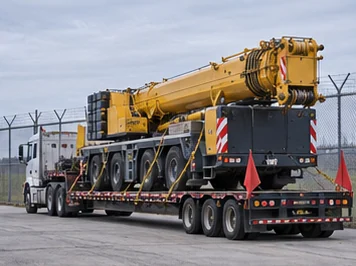
List one row for each important asset or activity. Start with the customer's load, the crane and rigging equipment, nearby property, the workers assigned to the job, and the vehicles and trailers that move equipment or freight. For each row record the owner, user, entity in custody, highest expected value, jobsite or territory, and the stage at which the exposure begins and ends. Include gear or attachments borrowed from another contractor and machines staged before final set. Add the contract provision or work order that describes who has that responsibility.
The schedule helps surface overlapping and missing information. For instance, a rented crane may be listed in your equipment worksheet and the rental provider’s records. Your broker still needs to see which party agreed to insure the unit, what the policy counts as rented equipment, and what happens during transport or outside the agreed rental term. Likewise, the carrier’s description of delivered cargo may omit a skid, spare parts or a separate module that is picked up under the same work order. Compare identifiable assets and values before assuming the paperwork addresses the entire load.
Review property being lifted separately
The question in a riggers liability review is often whether the contractor may be legally responsible for damage to property being moved or handled on behalf of another party. Read the trigger, description of covered operations, property provisions, valuation, limits and exclusions. Confirm which operations are within scope, particularly at unloading, pre-lift staging, temporary storage, repositioning and placement. The label on a proposal gives you a place to start. The actual wording and schedule identify the coverage being considered.
An installation or transit form may present a different question. It may insure specified property subject to insured interest, location, movement and duration conditions. Ask who qualifies as an insured, whose property is scheduled, and whether the parties need a single project solution or coordinated coverages. If the owner wants replacement equipment plus expediting costs or a particular period of temporary storage, identify those needs explicitly. A dollar limit on a proposal cannot answer whether a specific loss or cost is within the form. Verify the applicable valuation terms, deductibles and waiting periods where they appear.
Distinguish the crane and gear from liability to others
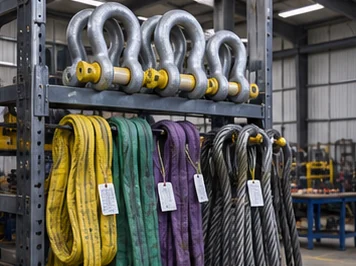
An equipment coverage review starts with each unit's identity, finance interests and valuation. Include serial numbers, owned and leased status, equipment on order, rigging gear and detachable components. Account for inventory at the yard, units spread across jobsites and expensive items concentrated for a large project. Compare valuation terms such as actual cash value or replacement cost if offered, as well as limits for any one item or occurrence. Separate conditions for newly acquired, rented and leased equipment if the policy addresses them.
Commercial general liability typically raises questions about liability to others arising from the covered operations. Ask how the actual form treats property in care, custody or control, the specific property being worked on, contractual liability, and ongoing and completed operations. The answer may differ among the building, the equipment being installed and collateral property. Where an umbrella or excess policy is part of the program, compare the scheduled underlying lines, attachment points, retained limits and any exclusions that differ across layers. An excess limit has practical value only in the circumstances where the coverage responds.
Review the workers and transportation by role
Identify who employs operators, riggers, helpers and mechanics. Document supervisory roles separately from payroll, particularly where a staffing agency supplies workers or a contractor supplies a crew. Confirm how work and records change as a crew travels across states. Use the appropriate state agency to check requirements. For a Nevada project, start with the Division of Industrial Relations workers’ compensation resources. Waterfront work may require a separate examination of actual tasks, location and employer role under federal law. The U.S. Department of Labor’s Longshore Act FAQ explains the broad occupational and geographic factors and exclusions.
For transportation, build a list of vehicles and trailers, who operates them, and which loads move on owned, hired or third-party transportation. Review business auto, cargo, equipment and project forms alongside the transport contract. Ask who acknowledges delivery and when the carrier's responsibility under the agreement ends. A carrier may agree to deliver to the receiving location while a rigger takes on unloading under a different agreement. The parties should document the point at which physical custody changes and the condition when that occurs.
Compare requirements with the contract and actual endorsements
The contract sets out what the parties promised. A certificate can explain which policies were reported as in place. The actual policies and endorsements show the terms on which the insurance was issued. Obtain any policy wording needed to evaluate additional insured treatment, primary and noncontributory status, waivers of subrogation, required limits and project-specific conditions. In Texas, for example, the Department of Insurance’s certificate FAQ describes restrictions on what certificate wording can say. Review contract interpretation and indemnity with counsel in the appropriate jurisdiction.
Operational conditions deserve a separate review by the qualified project team. OSHA's federal construction rules address ground conditions and operator training, certification and evaluation within their applicable scope. Check the jurisdiction and work setting before relying on a rule. For insurance purposes, identify the parties responsible for maintaining those records and obtain an accurate description of the operator relationship.
What to bring to the review
Bring your current policies, endorsements and schedules of insurance, an equipment list with values, representative contracts, payroll and revenue by activity, and recent loss information. If the primary question involves one lift, add an asset description, known value, site and proposed sequence of custody transfers. If the main issue is a new service, identify how it differs from the operations already described to the insurer. Dates, legal entity names and clear ownership records improve the review.
Start with the renewal readiness guide if the full program is due for comparison. Use the contract review guide if a project or rental agreement sets the deadline. The equipment schedule and high-value load worksheet provide a place to organize preliminary facts before arranging an insurance discussion.