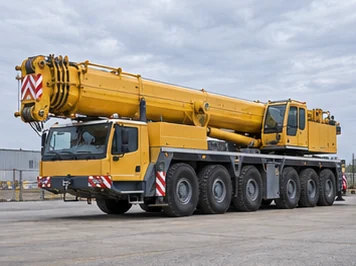
Start with the work the operator actually performs
Describe the types of mobile units, who owns them and how the firm supplies them. A company may provide a crane with its own operator on most jobs, rent a unit without an operator when demand rises, and hire another crane company for a job beyond its regular fleet. Those arrangements should appear separately in the operations description even when the customer sees one quote. Identify who invoices the customer, who employs the operator and rigger, and who is responsible for arranging transportation.
List common loads and the range of values encountered. A rooftop mechanical unit, a prefabricated assembly and production machinery may all fit the same invoice category. The owner’s replacement cost and the consequences of delay can vary substantially. Record the highest recurring load value, any unusual single load, where property is picked up, and when the customer expects delivery or acceptance. Also note whether crews supply rigging, take custody during staging or stay through final placement.
Give the broker a sample of the most common job and a sample of an unusual job. For example, compare a short lift at an established commercial site with an overnight industrial operation where the unit is furnished by another rental company. Use the new equipment and operations guide to flag an activity the current insurer has yet to review.
Keep five insurance questions separate
First, identify damage to the crane itself. Ask whether the unit appears on the equipment schedule or otherwise qualifies as covered property, whether ownership or rental status matters, and which valuation and deductible apply. Attachments and rigging equipment deserve their own review. A scheduled boom truck and the accessories in its tool compartments may be treated differently depending on the policy.
Second, identify the property being lifted. Ask when the firm’s responsibility for the item begins and ends and whether the policy addresses the named entity, activities, property values and locations involved. A request to cover the entire replacement cost should trigger a review of limits, valuation and contractual obligations. The broker can compare riggers liability wording or another applicable form to the operation described. There is no substitute for the issued language.
Third, look at property elsewhere on site. An allegation involving a roof, equipment already installed, neighboring property or an existing utility calls for its own review. General liability exclusions and endorsements can change the answer. Identify which item was in custody or being worked on and distinguish that item from other property the customer says was damaged.
Fourth, identify injuries by employer and task. The crane operator, a supplied rigger, a customer employee and a subcontractor may have different employment relationships. Give the broker payroll by state and actual duties, the staffing or subcontract agreement, and the identities of any other employers involved. Fifth, separate the vehicle and transport exposures. If a unit drives on the road, check how the vehicle is described across auto and equipment policies. If another party transports it, identify who hired the carrier and what the transport documents say about the crane, attachments and unloading.
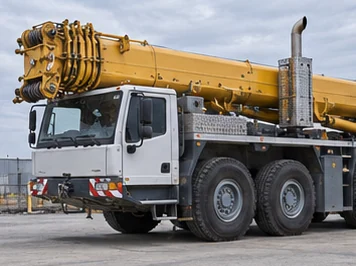
Identify who is responsible for site information
Federal OSHA’s Cranes and Derricks in Construction scope rule addresses covered equipment used in construction and includes exceptions and limitations. Confirm the activity and governing jurisdiction with the project team before extending a construction rule to another setting. A state may have an OSHA-approved State Plan with applicable state requirements. The classification of the work and the obligations of the employers depend on the facts.
Where federal Subpart CC applies, 29 CFR 1926.1402 assigns ground-preparation and certain known underground-hazard communication duties to the controlling entity. Document who fills that role, who supplies site information, and how new information reaches the crane user and operator. The project team should verify whether site information is current if the setup area or scope changes. The broker can use the record to understand contractual timing, roles and escalation. The qualified project team determines site suitability and approves the operation.
29 CFR 1926.1427 addresses operator training, certification or licensing, and evaluation where applicable. Show the broker which employer maintains the relevant records and how subcontracted or rented-with-operator arrangements are documented. Preserve records under the applicable procedures. A certificate of insurance serves a different purpose from a record documenting operator qualifications.
Example of a scope change before dispatch
Assume a contractor quotes a one-day mobile crane job with its own operator to place equipment delivered by others. On the day before dispatch, the customer asks the crew to unload the delivery truck and hold the equipment overnight in a staging area. The proposed change adds two activities. The first concerns responsibility at the trucking handoff. The second concerns custody after unloading but before placement.
Obtain the revised scope, the customer’s value and condition information, the intended staging location, the parties’ written responsibilities and the proposed handoff record. Identify who has authority to accept the change. Ask the broker to review applicable location, temporary storage, valuation and custody terms against those facts. Have the project team address operational feasibility through its own process. If the customer’s request is outside the contractor’s agreed insurance or operational scope, record whether the parties will revise the agreement, arrange separate coverage or keep the original scope.
Prepare for a mobile crane insurance review
Gather the current fleet schedule with serial numbers, ownership, values and any equipment changes. Include sample operated and bare rental agreements, the most demanding customer insurance exhibit, actual lines and endorsements, a summary of where crews work, and a concise loss history. If you use an outside hauler or crane supplier, bring the relevant agreements and evidence you are required to obtain from those partners.
Use the lift and rental contract guide to compare customer requirements with the policy wording. The renewal readiness guide explains how to document changes across assignments, equipment and territories. Bring a representative job and one pending decision to a crane insurance review. That gives the broker enough detail to identify the records or policy wording to request next.