
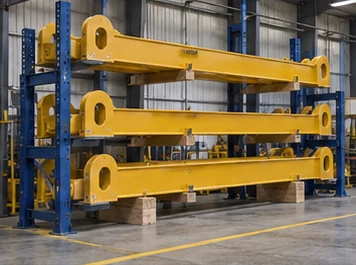
Choose the tool that matches the decision
If the entire insurance program is coming up for renewal, use the renewal checklist and equipment schedule together. One describes your operations and the insurance records people need to review. The other describes the units, attachments, locations and values that support those records. If a single job or rental agreement is urgent, begin with the contract checklist. Add the load worksheet when the equipment being moved is unusually valuable or the ownership and custody are unclear.
Reach for the project handoff worksheet when several organizations touch the same asset. It works well for a delivery that moves from a carrier to a storage site, then from a rigger to an installer. The rental fleet checklist is a shorter discussion aid for an owner or rental manager. Use it when you are adding a high-value unit, providing an operator or considering a subrental.
Crane and Rigging Renewal Checklist
Use the renewal checklist to organize current policies, scheduled equipment and actual operations. Start with the expiring date, your legal entities and the services they provide. Bring evidence of service changes, values, projected operations and major contractual requirements. Identify what is known, what is an estimate and what depends on upcoming bids. Ask each person contributing records to include the source and date.
Pair the checklist with the renewal readiness guide when assigning responsibility within your company. Operations may keep contract tickets and staffing information. Finance may hold the paid value and finance interest for each unit. Loss information may need a separate request through an approved channel. The checklist gives you a place to identify these owners and record which items are still outstanding.
Lift Contract and Insurance Review Checklist
Use the contract checklist to identify which agreement governs the work and what insurance that agreement asks for. Collect the operative master agreement, work order, insurance exhibit and current revisions. Put the crane, operator, rigging, transport, load ownership and site responsibilities on one page. List the requested protected parties, limits, endorsement terms and dates subject to review.
Confirm with the broker which forms should be compared with the request. Use counsel to review legal obligations, including indemnity and enforceability. For a jurisdiction-specific example of the limits of a certificate, see the Texas Department of Insurance FAQ. The lift and rental contract guide explains how to document discrepancies and open items using each agreement's actual language.
Owned, Rented and Leased Equipment Schedule
Use the equipment schedule when you need an auditable inventory for a renewal, an acquisition or a rental inquiry. Identify the unit, owner or lessor, serial number, valuation basis, amount, main location, relevant dates and finance interest. Note separately any attachments, specialty accessories or gear that you expect to be listed or addressed on their own. Record what is on order with its expected delivery date.
Include each rented or leased unit for which your agreement allocates a responsibility. Give the record a review date and mark purchases, disposals and transfers so a later reader can see what changed. For a unit used on several types of assignments, note the intended uses and the territories where it will work. Compare the worksheet with the current policy schedule rather than treating the worksheet as evidence of insurance.
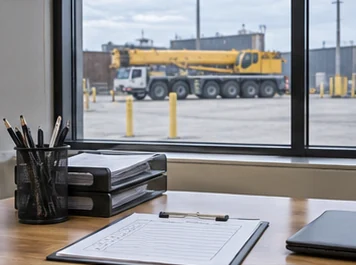
High-Value Load Information Worksheet
Use the load worksheet to prepare the facts for an insurance review of customer property a contractor will handle. Record the asset owner, description, known value and its basis, and the parties' roles across transport, unloading, staging, lifting and placement. Add any separate components that will move under the same order. Confirm whether the customer's stated value includes equipment only, installation costs or other requested costs.
Ask who will acknowledge delivery and who will document condition at each meaningful handoff. Add the actual location, anticipated storage or delay, and the expected control of the property during that period. Keep technical lift decisions with the qualified project team. This worksheet is designed to help a broker compare property, activities and policy wording.
Project Handoff Worksheet
Use the handoff worksheet to document the job stage, parties involved, which party has custody, the governing contract or policy reference, an unresolved question and the person responsible for confirmation. Fill in one record per material stage. A delivery event can have a separate owner, carrier and receiving representative. Unloading and final placement can have different work orders, responsible parties and condition records.
For example, assume a transformer will be delivered by a carrier, unloaded by a rigger, stored at a project staging area and later accepted by an installer. Track the document used at each change of custody. If the owner receives a delivery receipt before the rigger handles the load, record that sequence and the time the asset remains in staging. Use the worksheet to turn any unclear responsibility into an assigned action with a named owner.
Rental Agreement and Fleet Review Checklist
Use the rental checklist as a print leave-behind or as a discussion aid. Bring it to a fleet meeting when you are adding a high-value unit, supplying one with an operator or filling an order with equipment rented from another rental house. Record which scenario applies, the documents that describe it and the next person responsible for a decision.
Before an insurance discussion, note the requested insured value, who supplies labor and transportation, and when the agreement says custody begins and ends. For subrentals, include the upstream and end-customer agreements. This makes it easier to compare the obligations and determine whether any differences need clarification before the unit moves.
Use source records for operational and regulatory questions
For construction work, the federal OSHA crane rules and the State Plan directory identify where to start checking applicability. Waterfront employers can consult the U.S. Department of Labor Longshore Act FAQ for a separate starting point. Ask the qualified project team to interpret which worksite records are needed and how those records are maintained. Keep the completed worksheets in your own records and use approved channels for any later exchange.
For operated and bare equipment arrangements, the Specialized Carriers & Rigging Association offers a members’ guide to mobile crane bare rental agreements. Its February 15, 2024 announcement provides an overview of the topics it covers. Compare any example clause with the terms proposed for your own transaction and the relevant policy evidence.
Use the checklists and worksheets
Crane and Rigging Renewal Checklist
Reconcile operations, equipment and claims before asking for renewal terms.
- Policy and timingRecord the review date, expirations, legal entities and operating states.
- Fleet and valuesList owned and hired equipment, components and current values.
- Operations and payrollDescribe actual duties, work settings and crew arrangements.
- Loads and contractsIdentify unusual load values, custody terms and example contracts.
- Claims and correctionsSummarize trends and corrective actions without unnecessary private data.
- Decisions and ownersAssign each discrepancy or decision and its review date.
Lift Contract and Insurance Review Checklist
Compare the signed scope, contract requests and current forms for one engagement.
- Contract and entitiesRecord version, parties, jobsite, dates and work allocation.
- Equipment, crew and custodyIdentify the crane, operator, rigging supplier and change points.
- Insurance and evidenceList requested forms, limits, additional insured status and endorsements.
- Load and valuationRecord values, property and each handoff or storage period.
- Indemnity and obligationsFlag terms that warrant review by counsel, broker or insurer.
- Open items and authorityRecord unresolved language, responsible person and clearance date.
Owned, Rented and Leased Equipment Schedule
Use one sheet per unit and attach your full schedule privately if needed.
- Equipment and identificationRecord unit, serial number, model, year and attached equipment.
- Interest and partiesIdentify owner, lessee, lessor, lienholder or rental source.
- Values and basisRecord supported value, basis, date and high-value components.
- Movement and locationsRecord garaging, travel, hauling and storage arrangements.
- Custody and useDescribe operators, projects, bare or operated rental, and custody limits.
- Evidence and reviewRecord forms, serial schedules, terms, open questions and review owner.
High-Value Load Information Worksheet
Collect property and responsibility details for an insurance review of one load.
- Property and ownerDescribe the equipment, owner, identification and related components.
- Values and evidenceRecord invoice, replacement estimate, valuation date and source.
- Dates and locationsRecord origin, worksite, storage intervals and final destination.
- ResponsibilityIdentify carrier, rigger, crane supplier, installer and who accepts each step.
- Terms and evidenceRecord any limits, deductibles, declared values and relevant form references.
- Open questionsAssign questions for the broker, insurer, customer or counsel.
Project Handoff Worksheet
Repeat for each change in custody, operating control or project responsibility.
- Job stageRecord delivery, unloading, staging, lifting or placement, plus time and site.
- PartiesName the outgoing and incoming parties and who directs that work.
- CustodyRecord who holds the load and equipment and how receipt is evidenced.
- Contract or policy referenceRecord the relevant clause, schedule, form or endorsement.
- Unresolved questionState the specific custody, damage, delay or responsibility question.
- Person who will confirmRecord who owns the question, needed evidence and decision deadline.
Rental Agreement and Fleet Review Checklist
Use this review before committing a unit, operator or subrental.
- Adding a high-value unitRecord unit, value, financing interest, attachments and intended use.
- Sending out a unit with an operatorConfirm employer, work control, transportation and written scope.
- Renting from another rental houseCompare upstream and customer agreements, custody and permission to subrent.
- Evidence to gatherCollect unit schedule, values, contracts, policy forms and handoff records.
- Open itemsRecord who confirms insurance, customer terms and the dispatch decision.