
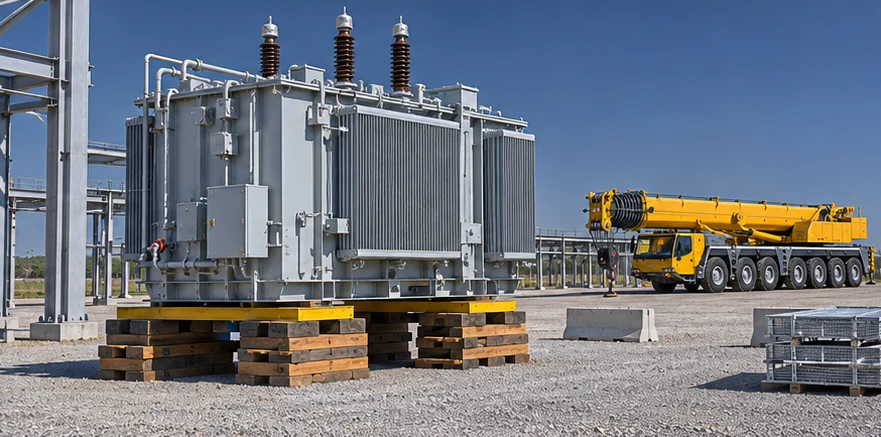
Use the same job scope across all parties
The owner has purchased a transformer for a new data center. The general contractor coordinates the construction site. A motor carrier brings the unit on a lowboy. An operated crane rental company supplies the crane and its employee operator. A separate rigging contractor is asked to unload the unit, move it to a designated staging area, and return two days later for final placement. An electrical installer receives it at the permanent pad and later performs installation work. These are hypothetical roles. Each party’s legal and insurance responsibilities depend on the actual agreement, circumstances, law and policy.
Use one Project Handoff Worksheet as a starting template. Make a separate entry for carrier delivery, unloading, staging, the second move and final placement. Name the organizations and their contacts. Record the party expected to have custody during each stage and the document supporting that expectation. Add one open question and one person who can answer it. During the job, use the same stage names in records so a delivery receipt, condition report and later claim can be matched correctly.
Carrier delivery at the project entrance
The carrier brings the trailer to the project. The site team identifies the receiving contact and destination for the truck. The owner or its designated representative confirms the unit description and the records expected from delivery. The carrier and receiving party should know who can note visible damage or a discrepancy and how to preserve that information. Useful records could include the bill of lading, dispatch instructions, confirmed arrival time, condition notes and the name of the person who acknowledges delivery.
Look for language defining when the carrier’s service ends. An arrival timestamp and a signed receipt may evidence different things depending on their wording and the agreement. Ask whether carrier duties include unloading or simply delivery to an agreed point. A transporter’s insurance review should identify the insured property, the applicable transit boundaries and the wording governing delivery or unloading. FMCSA’s cargo securement overview addresses roadway transport. Verify which rules apply to the carrier and shipment separately from the contract’s allocation of duties or the policy’s coverage boundary.
Unloading from the trailer
For this example, the separate rigger provides the rigging service, and the rental company supplies its employee operator with the crane. Record which entity directs the rigger’s work and which employer supervises its operator. The parties should confirm who authorizes the transfer from carrier service to unloading, who documents the condition of the transformer at that moment, and who is responsible for the area and people at the site. Federal OSHA’s construction crane scope provision helps the project team determine whether Subpart CC applies. Check the relevant State Plan when the job falls under state jurisdiction.
The insurance question is whether the identified documents address that exact transition. Compare possible cargo, installation, riggers liability and other property wording with the phase in which any damage occurred or was discovered. Ask who would give notice, what parties are insured and which exclusions or conditions require attention. If the owner accepted delivery while the unit remained on the trailer, record that fact and the precise work still owed by each contractor. The receiving signature alone may leave separate acceptance and custody questions to resolve.
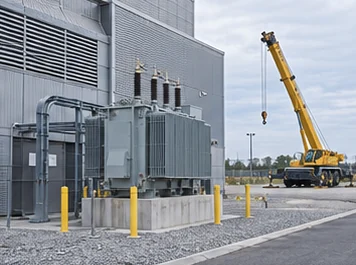
Two days in the staging area
In the example, the transformer waits in a designated area while the installer confirms readiness at the pad. Identify the entity that controls the staging area, the party expected to monitor the unit, and whether the rigger is released between visits. Record where the unit sits, when it entered staging and which party has the authority to direct an unscheduled move. Confirm whether site security, preservation or casualty reporting duties are expressly assigned.
A two-day pause may be treated differently by different policies. Ask whether installation coverage has attached, whether any transit or storage extension applies, and whether the rigger’s property exposure continues during the pause. Confirm the site description, duration, insured interest, limits and valuation under any relevant wording. Preserve the written confirmation of custody and the condition record. If a temporary location changes to a different yard or the scheduled set is postponed, refer the change to the responsible project and insurance contacts.
Second move and final placement
Before the second visit, match the active work order to the rental order and the parties actually returning. The GC and installer should confirm the handoff point and who signs the placement record. Distinguish physical placement at the pad from an installer’s later acceptance, installation, testing or commissioning. Document the observed condition and time, the person acknowledging placement and any work still owed.
If the contract ties the rigging service to final acceptance, ask which acceptance and whose acceptance it means. Review whether a delayed installer or an owner’s acceptance condition extends any obligation beyond the planned crane release. Check which policy follows the transformer from staging through placement and whether later installation and testing have different terms. If the scope changes materially, have the contracting parties document the change and seek confirmation before assuming the same insurance position continues.
Respond to an issue with the facts and the records
Suppose the installer notices a damaged component after placement. The timeline may show that the damage was discovered then without showing when it happened. Collect the carrier’s delivery record, staging condition notes, placement documentation, the active agreements and the policy references. Identify when each fact became known and who observed it. Report through the appropriate claims channels in accordance with the applicable policy and procedures. Keep the communication factual while the qualified project team and claims contacts assess the circumstances.
For an initial insurance discussion, bring the staged timeline, actual duties, property values, required endorsements and unresolved ownership or custody questions. Use the High-Value Load Information Worksheet for the transformer information, and retain the handoff sheet with the project documentation. It keeps the carrier’s endpoint, the owner’s acceptance and the rigging contractor’s scope available to each party when the same event raises different insurance questions.
Related Montridge resources
Review where the carrier’s scope can end and what unloading changes. Heavy haul and specialized freight insurance
Trace responsibility for goods through delivery and staging. Cargo responsibility checklist