Start with the work order and the actual assignment
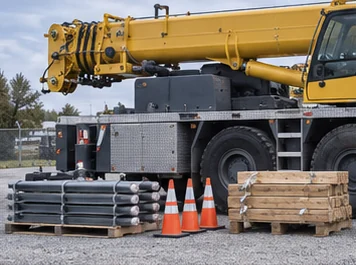
Read the final work order with the rental agreement and any site-specific attachment. A sales description may establish what was quoted. The signed documents, dispatch record and field instructions help establish what each party actually agreed to provide. List the operator, spotters or signal personnel when applicable, riggers, delivery carrier and the person who supplies each item of gear. Name the entity behind each person. A signal person who reports to a general contractor and a rigger engaged by the rental firm may work in proximity while reporting to different employers.
Include contact information for the people who can authorize changes. If an equipment-only order turns into a request for the rental company’s operator midway through the day, issue a written change order and record the new scope before relying on the old risk review. Insurance may distinguish bare rental revenue, operated rental revenue and contracting operations. Supplying personnel may also introduce payroll, supervision and injury-related questions that the original order did not address.
What to confirm in an operated rental
Find out whether the rental company is agreeing to supply only the crane and operator or undertaking additional rigging, signal coordination, transport or installation work. Review who coordinates the site and who can direct or stop work under the applicable procedures. Confirm whether another contractor retains custody or control of the load. Where the operator is supplied by a subcontractor, identify that entity’s role and verify who employs the operator and handles the applicable training and evaluation responsibilities.
The rental house should be able to describe normal operating activities and exceptions to its broker, using comparable work orders. Bring payroll by role and jurisdiction, claims history and available operator records through an appropriate channel. Ask where general liability, workers’ compensation, riggers liability and excess coverage fit that fact pattern. For example, an injury to a worker, damage to nearby property and damage to the load being moved can involve different insured interests and conditions. Compare each one to the actual form and endorsement.
Under federal construction rules, 29 CFR 1926.1427 generally requires the operator’s employer to ensure training, certification or licensing and evaluation for covered equipment, with specified exceptions. Verify applicability using Subpart CC’s scope and the applicable State Plan. Contracts can identify who is expected to perform or document tasks. Applicable safety duties still turn on the standard and the parties’ roles.
What to confirm in a bare rental
Identify which business accepts the unit and which business is authorized to operate it. Ask whether the unit is permitted to move between sites, whether anyone else may use it and which party approves a substitute operator or customer. Record which attachments and accessories travel with the unit. A rental may sit at a site for several days before use or stay there following an off-rent notice. Confirm who has possession, who controls access and who takes responsibility for notifying both parties of damage or loss during that time.
From an insurance perspective, review the rental house’s equipment coverage with the renter’s evidence of property coverage and relevant endorsements. Ask how each policy defines insured equipment, whether the unit must be scheduled, how it is valued, and whether rental to others, loading, transit, theft or off-premises storage are addressed. Verify the interest the owner needs recognized and which endorsement, if applicable, gives it effect. Any contract provisions about insurance or damage charges deserve a review separate from the question of whether insurance proceeds would be payable.
Compare responsibility for the site, equipment and load
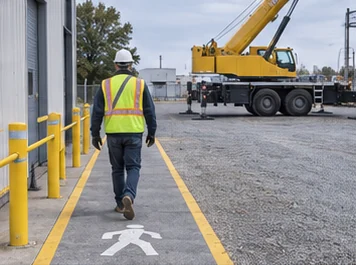
Use the job documents to identify who furnishes access, coordinates ground information, handles delivery and confirms the unit’s condition at acceptance and return. Under federal OSHA’s construction crane ground-conditions provision, the controlling entity has specified duties when the provision applies, with a rule for projects without a controlling entity. Section 1926.1412 sets out applicable construction equipment inspection obligations. Confirm with the qualified project team which regulatory duties apply and who keeps the records.
Record unit condition, possession of the customer’s load and responsibility for nearby property as separate questions. A unit can be in the rental house’s custody during delivery while the customer’s machine remains with its carrier. The roles can shift during unloading. A timeline with signed delivery tickets and a named person for each transfer makes it easier to compare what the agreement says with what took place. Use the rental agreements and custody guide to organize that timeline.
Illustrative change from bare to operated
A rental house agrees to deliver a bare crane to a fabrication site for a short job. The customer originally plans to supply an operator and a rigging crew. On delivery morning the customer calls and asks the rental house to send an operator because its planned operator is unavailable. In this hypothetical, the type of order changes while the rigging crew remains the customer’s.
The rental house should confirm the new scope in the work order, identify who employs the dispatched operator and verify who is responsible for the load and site coordination. The broker needs the updated agreement, the expected dates and location, the scheduled unit and insurance documents, and any change to the requested endorsements or limits. The team can then identify where the operating duties, staffing records and insurance terms need confirmation. Coverage and contractual outcomes depend on the final facts and wording.
Prepare for the next operated or bare order
Bring examples of both orders, equipment values, current policy forms and the most recent material changes. Include the way revenue is classified and who actually handles each handoff. If the rental firm has a job involving both arrangements, point out the change date, the equipment affected and who approved it. The initial review can identify where the documents align with dispatch practice and where you need an answer from the carrier, customer, project team or counsel.
Federal OSHA source scope reviewed November 28, 2026. Confirm the work setting, applicable jurisdiction and equipment category before applying a specific provision.