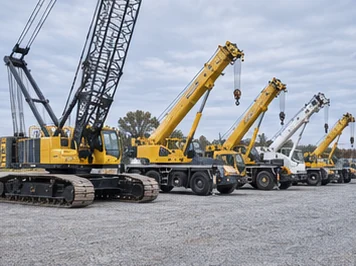
Before a high-value unit enters the fleet
Record the purchaser, titled owner, financing entity, make, model, serial number, year, equipment type and current location. Capture the purchase price, available replacement estimate and lender requirements, including any requested evidence of insurance. List boom sections, attachments, rigging gear and other components with meaningful separate values. For equipment purchased for customer rental, explain its intended operations, territories, types of customers and whether it will leave bare, operated or under either arrangement.
Obtain the timeline for acceptance, inbound shipping, temporary storage and first dispatch. Identify which legal entity takes on financial risk at each stage. Ask when any acquisition provision would begin, how it applies to the specific property and what reporting or scheduling is required. Review limits, deductibles, valuation and the effective date of any required endorsement. Give your broker the actual agreement and the carrier’s response for the transaction. A proposed addition belongs on an acquisition tracker until the applicable evidence is in the file.
An increase in single-unit value can raise additional questions. Compute the maximum combined value your business would have at one yard or project site, including any rented or leased equipment held there. Identify whether the unit shares storage with other costly equipment or spends significant time staged off premises. Check the current wording on all relevant limits, territorial provisions and exclusions. The contractors equipment guide explains how to organize the schedule before a coverage comparison.
When a new machine changes your operations
A machine purchase can change the work the business accepts. For example, the company may take on a different type of project, serve a new territory or send operators to customer locations more often. Document the operation in plain language, including anticipated payroll and revenue by activity, whose gear is used, who supplies transport and which entities supervise the work. A current insurance schedule that names the unit answers only one of the questions the new operation introduces.
Confirm which state or federal safety authorities apply. For construction uses, federal OSHA’s crane and derrick scope provides the starting point. The State Plan directory identifies state programs where relevant. Confirm applicable operator and inspection obligations with the people responsible for safety and preserve the records that describe how those obligations will be met. Bring the insurance broker the operational change and contract requirements. Use the new equipment and operations guide to review the broader decision.
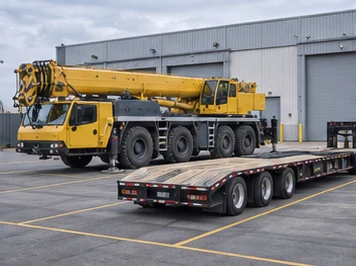
Check both agreements before a subrental
A subrental introduces a source owner, your company and the end customer. Collect the incoming agreement and the outgoing agreement before promising delivery. Confirm whether the supplier authorizes onward rental, the specific customer, the jobsite and the contemplated use. Compare permitted operators, destinations, rental term, off-rent procedures, attachment values and return obligations. Address any conflicting responsibilities for theft, physical damage, repairs and loss of use.
Check both agreements for each party’s requested insurance documents. A liability additional insured request, a property loss payee request and a contractual obligation to pay for damage have separate effects. Compare each request with the coverage forms and endorsements that might address it. Verify any exclusions or conditions for property borrowed from others, equipment rented to others, customer possession and transport. Ask which entity the policy actually insures and how any recovery would be valued. Use the rental agreements and custody guide to document the entire handoff.
If Nevada leasing law applies, NRS 104A.2303 addresses transfer restrictions and associated remedies under Article 2A, including certain transfers by sublease. Counsel should advise on whether the law applies and how the terms operate for the proposed arrangement. Obtain any required written permission from the supplier as part of your order records.
Check what happens during a delivery exception
Suppose one rental house borrows another company’s crane to serve a customer. The supplier authorizes delivery to a specific site for one week. The customer calls the driver and asks to have the unit delivered to a second yard for overnight storage. The approved order, the new location and the parties’ actual instructions now differ. Before approving a change, identify the entity with authority to revise the delivery, confirm permission with the supplier and compare the new location and custody period with the agreements and policies. Keep the approved change, proof of delivery and contact information together.
The insurance implications can extend beyond equipment damage. The transport firm’s duties may differ before, during and after delivery. If an operator travels with the unit, the new order should state who employs and directs that worker. Where the unit is out of service after damage, review the supplier’s request for continuing rent, the cost of obtaining substitute equipment and your own lost bookings as separate amounts. Ask whether any form addresses rental income or replacement expenses and how it defines the triggering event, waiting period, limits and records required. Keep any assumptions about payment provisional until the documents have been reviewed.
Set the records needed before dispatch
Assign one person to collect the unit identifiers and values, one person to confirm the order and handoff, and one person to verify the required insurance evidence. Document each party’s ownership, permitted use, pickup and return details, and approval of a revised order. Review recurring suppliers and customer terms periodically so short lead times leave room for a decision. Give your broker actual examples, including the issues that arise when dispatch changes the unit, adds operators or sends equipment to a new site.
Use the Rental Agreement and Fleet Review Checklist for a purchase, operated order or subrental. Bring the fleet schedule and available valuations, financial and ownership interests, incoming and outgoing agreements, relevant policy language and a representative dispatch file. A rental fleet insurance review can identify which questions need a written answer from the insurer, supplier, customer or counsel before it is time to release the unit.
The federal OSHA scope and State Plan sources and the Nevada lease statute were reviewed November 28, 2026. Confirm which jurisdiction and provisions apply to the transaction.
Related Montridge resources
Review equipment and off-premises issues on energy projects. Energy contractor equipment insurance