
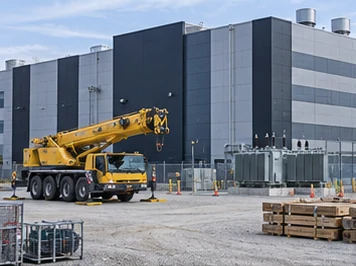
Start with the delivery and acceptance terms
Get the purchase order, relevant shipping and delivery terms, transportation contract, purchase and installation scope, crane or rigging subcontract, site instructions, and insurance exhibits. Read how each defines delivery, unloading, acceptance, and risk of loss. Record the exact legal entities and any overlapping responsibilities. A party can own an item while someone else has custody, and the party that signs for receipt may have limited authority. Ask counsel to reconcile inconsistent terms and use the written result to update the project record.
Ask the owner and vendor who verifies condition and who signs the delivery receipt, acceptance record, or installation milestone. Keep delivery acknowledgement separate from technical acceptance and the release of warranty or payment milestones. Discuss what happens when a document appears to combine those events. Record who can sign for a load delivered after normal hours, where exceptions are documented, and who receives a copy. A clear record can help explain a claim that surfaces later, particularly when a crate appears intact until it is opened or tested.
Identify the exposure at each handoff
The carrier may be engaged for road transport and delivery to a designated point, with unloading addressed separately by agreement. The logistics or storage provider may control a yard or staging location. The crane rental company may supply an operated unit or only a unit. The rigger may assume responsibility for specified work on the load, and an installer or equipment vendor may accept it at a later stage. Draw the timeline from dispatch through functional acceptance, including any waits or temporary stops that the contractual scope allows. Add the name of the party making any change between the stages.
Review where physical possession changes, where a signed receipt is expected, and what records document condition. A staging area might be included in the construction footprint, controlled independently by the owner, or located at a third-party yard. Ask if the actual location appears in any applicable project, property, transit or storage documents. Identify any alternate storage locations in advance and record what approval process applies if the schedule changes. For carrier-facing scope and delivery questions, use Montridge's Heavy Haul and Specialized Freight Insurance guide or the Cargo Responsibility Checklist.
Illustrative example of a delayed chiller set
Assume a new chiller is due at the site on Thursday. It is scheduled to be unloaded and set on Friday. A utility or civil contractor's work delays access, so the project team considers moving the unit to an offsite warehouse. The purchase order, carrier agreement and installation contract use different milestones. The owner has insured interests to review, the carrier's obligations depend on its own agreement, and the rigger may have a limited scope covering specific handling work.
Before changing the booking or location, gather the approved change order, route and location, who will transport and receive the chiller, who can approve storage, and how values and condition will be documented. Give the owner, logistics provider and rigging contractor the same timeline. Ask their insurance contacts what the forms actually say about the new route and storage. The outcome would turn on the agreements, facts, law and applicable insurance wording.
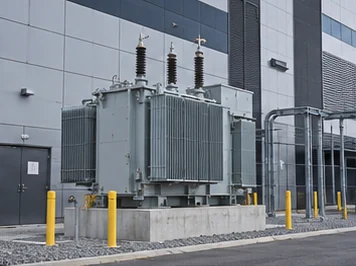
Separate damaged equipment from damage around it
Ask how the owner's project or property insurance, any transit or installations form, and the contractor's policies describe the load and activity. Review insured parties and interests, location, attachments, valuation, deductibles and limits, as well as exclusions that could matter for temporary storage, unloading, rigging, installation, or testing. Determine whether the policy insures physical loss to property, legal liability for damage in a defined operation, or another interest. Confirm what happens when more than one program could be involved and who should be notified if an incident occurs.
For a retrofit or expansion, identify nearby equipment and live or partially operational systems in the relevant project areas. Damage to an existing server area, conduit or operating switchgear raises different insurance questions from damage to the incoming equipment and damage to the crane. An equipment schedule should show owned and rented units and expected operating dates. The load information should reflect relevant values and replacement lead times. If there is an owner- or contractor-controlled program, verify which entities, activities and lines are included, and where the contractors' individual insurance is expected to apply.
Consider installation, testing, delay, and site rules
A high-value component may be accepted provisionally, then installed or tested under a separately contracted scope. Ask when coverage begins or ends, what testing terms say, and whether exclusions, time limits, deductibles or conditions apply. For a schedule-sensitive job, investigate whether a particular coverage form could address a delay and what event and financial interest would be required under its terms. Completion payments, liquidated damages, vendor penalties, ordinary project slippage and lost operating income warrant distinct questions. Include the owner's insurance and construction leads when assessing whether expectations and policies line up.
The qualified project team determines the applicable rules and approves the work. For equipment used in covered construction activities, federal OSHA's Subpart CC provides the crane and derrick framework. An operating campus can present differing activities and employer responsibilities. Confirm the workplace jurisdiction using OSHA's federal and State Plan directory. Keep lift plans, electrical authorizations, commissioning, engineering and worksite approval with the appropriate parties.
Prepare a focused review package
Gather agreements, equipment values and valuation sources, transportation documents, staging site information, the proposed schedule, policy forms and endorsements, relevant loss or exposure summaries, and the contact for each handoff. Use the High-Value Load Information Worksheet to collect load details and the Project Handoff Worksheet to record open decisions. Bring those to a Crane & Rigging Insurance Review alongside the owner's construction and logistics contacts as needed. For the broader owner's program, see Montridge's Data Center Construction Insurance guide.
Sources reviewed November 28, 2026. The linked OSHA authorities are federal materials. Confirm the applicable workplace jurisdiction, contracts and policies for the individual project.