Describe the work, the platform, and the waterfront interface
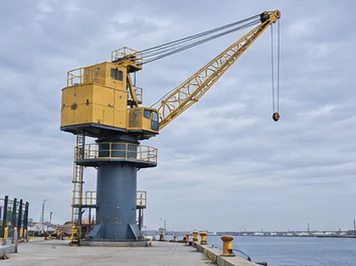
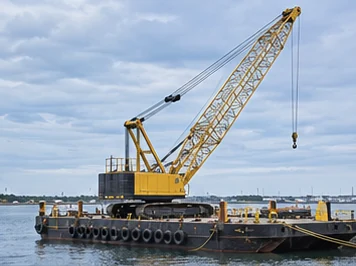
Identify the owner and contractor, crane provider and operator employer, vessel or barge owner, towing provider if applicable, rigging crew, and the party that supplies or receives the load. Get the site address, waterway, berth, or project location, and describe where crews and equipment will be stationed. Note what happens during mobilization and demobilization. A dockside unit, a floating crane, and a land crane working from flotation present different facts for insurers and safety professionals. Document the proposed platform and crane arrangement accurately without making technical determinations in the insurance file.
Follow the load through arrival, unloading or receipt, transfers, shore staging, and delivery to the next party. Identify who can move it into storage, whether any shipment involves an over-water leg, and how temporary changes are documented. Record the basic characteristics and value of the load, including whose property interest is involved. Collect the contracts governing lifting, transportation, barge use, storage, and installation. Where more than one contract addresses the same step, ask the parties and counsel to reconcile the language.
Separate work safety rules from employee injury coverage
The applicable workplace safety rules depend on the activities and jurisdiction. Federal OSHA's construction crane scope in 29 CFR 1926.1400 applies to specified equipment used in construction. In covered contexts, 29 CFR 1926.1437 adds provisions for floating cranes and land cranes on specified flotation devices and includes exceptions. Federal OSHA also publishes a separate crane and derrick standard for marine terminals at 29 CFR 1917.45. Ask the qualified team to identify the applicable rules by phase, employer, location and activity, including other agencies and State Plan jurisdiction when relevant. The crane and platform engineering, inspections, procedures, permissions and stop-work decisions belong with the qualified operating and project teams.
Employee injury coverage requires separate analysis. The U.S. Department of Labor explains that the Longshore and Harbor Workers' Compensation Act can cover eligible maritime workers, including harbor construction workers, with work and injury locations relevant to eligibility. The facts and statutory provisions matter, including whether an employee works on navigable waters. The same FAQ distinguishes the Longshore Act and Jones Act regimes. Review actual crew duties, work locations and vessel relationships with qualified advisers, including for subcontractors and supplied personnel. Confirm appropriate insurance or authorized self-insurance requirements with the Department of Labor's Longshore insurance guidance. A state workers' compensation certificate alone gives limited information about federal maritime coverage.
Separate the load, the crane, the barge, and other property
For the load, confirm how the riggers liability, cargo, transit, builder's risk, installation or other relevant forms describe its insured interest, activities, territory and time of attachment. Track whether the property is in a laydown area, temporarily stored, on a vessel or being transferred. If a form appears to address an inland or land-based operation, compare its wording with the proposed use before relying on it. Review subcontracted activities and limits for an individual load where relevant.
For the unit, document ownership, rental, values, expected locations and contractual responsibility for repair and recovery. Compare equipment coverage with the anticipated marine or over-water use and any policy restrictions or conditions. When a barge or vessel is involved, ask about its own physical damage and liability program, who uses or operates it, and where the crane and associated gear are scheduled. A rental invoice, certificate or barge agreement is an input to the review. Use the actual insurance terms to assess the expected risk transfer.
For third-party exposures, describe adjacent moored property, working docks, shoreline assets, utilities and other participants in the work area. Discuss general or marine liability and any relevant watercraft, operations or territorial wording. Review potential pollution losses from the crane, platform, load and worksite, and determine which entity controls and reports an incident. The EPA oil spill prevention and preparedness overview is a federal reference for relevant facilities. Check the applicable site and regulatory requirements separately from pollution coverage terms such as insured operations, notice, response costs, and exclusions.
Illustrative example of a shore-to-barge transfer
Assume a contractor is hired to transfer a fabricated assembly from a dockside staging area to a barge for onward transport. The original scope ends when the receiving crew signs a custody record. The proposed change asks the contractor to leave a rented crane onboard for use by another crew later in the project. The original job and the revised scope create separate questions about equipment use, responsibility for the crane while aboard, crew activities, location, loss and recovery, and the policy treatment of the new operation.
Before agreeing to the change, obtain the revised contracts, participants, expected dates, platform and crane schedules, crew activity and work location, and documentation of responsibility at each step. Have the qualified project team address feasibility and applicable safety requirements. Ask the insurance reviewers to compare scope and territory, named entities, insured property, rental obligations, workers' compensation and federal maritime coverage questions, and the actual endorsements.
Prepare for the waterfront review
Gather the project and waterfront locations, task and crew information by stage, crane and platform details, owned and rented equipment values, vessel and towing arrangements as relevant, load values, the custody timeline, and current forms and endorsements. Keep materials for broker review on approved contact channels. Use the Project Handoff Worksheet to identify the party and document that can resolve each question. For the vessel and platform side of the placement, see Montridge's Crane Barge and Floating Equipment Insurance guide. For offshore or waterfront energy contracting questions, see Marine Liability and Longshore Interfaces for Energy Work.
Sources reviewed November 28, 2026. Federal OSHA, Department of Labor and EPA authorities are linked above. Specific workplace jurisdiction, coverage, and insurance obligations depend on the project facts and governing documents.