Define the outage scope in work packages
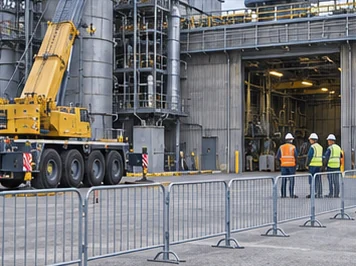
The plant owner and lead contractor should be able to describe what is being removed, what is being installed, which systems remain live, and when the facility expects to resume production. Start with the scope and marked-up layout. Identify the work areas, access lanes, existing equipment nearby, temporary storage points, and boundaries with ongoing operations. Separate physical moves from disconnection, mechanical reassembly, electrical work, alignment, and functional testing. Each may involve a different subcontractor or insurance treatment.
Build a responsibility list for the owner, millwright, rigger, crane provider and operator employer, heavy-haul carrier, storage provider, and equipment supplier. A company can occupy several roles. Write down which roles it has accepted on this job. Pay special attention to the hours between the last shift and the first contractor arrival, and to any period when equipment is staged waiting for a second shift or delayed transport. Identify who provides access, who receives the load, who records condition, and who can change the work order.
Describe the machinery and the surrounding property
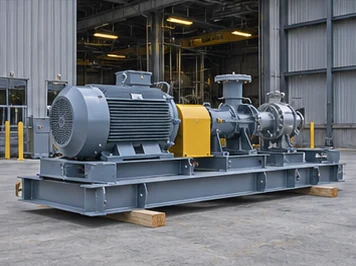
Prepare a schedule showing the description, serial number when appropriate, owner and intended destination of each unit. List the values the owner expects the contractor to protect and how those values were determined. A quotation for replacement, a sale invoice, a used-equipment appraisal, and the cost of installation may produce different figures. Include lead time, freight, tooling and attachments when they affect the decision. Ask how the relevant policy treats these items and whether its valuation is consistent with the obligation the contractor is being asked to accept.
Existing plant property can be a distinct financial exposure. Identify adjacent machinery, utilities, foundations, floors, and building components that could be affected. Flag a shared production line or clean area where a localized incident could become a broader interruption. The broker can then review loss to the item being handled, damage to other property, and any asserted interruption or financial loss as separate questions. Where the plant has its own property program, coordinate the review with the owner's risk manager.
Align safety roles with the actual work
An industrial address can contain both maintenance and construction activities. OSHA's federal construction crane scope at 29 CFR 1926.1400 is tied to equipment used in construction and contains exclusions. OSHA separately publishes 29 CFR 1910.179 for covered overhead and gantry cranes in general industry. For qualifying general-industry servicing and maintenance, 29 CFR 1910.147 addresses hazardous energy control. Its outside-personnel provision calls for coordination between the onsite employer and outside employer where that standard applies. Check the activity, employer, and location with the qualified team and consult the OSHA State Plans directory for applicable jurisdiction.
For an insurance review, identify which qualified parties own the applicable programs and records, and record existing plant restrictions communicated to the contractor. Ask for the current work scope, a record of the safety handoffs, and the names of those who can authorize changes. The plant and qualified contractors handle permits, lifting plans, equipment selection, energy isolation, engineering and safe work authorizations.
Compare the insurance documents along the sequence
Consider a hypothetical plant that shuts down for one weekend to remove a retired processing unit and bring in a replacement. A rigger uses a rented machine to transfer the old unit to an outside staging point. The replacement arrives by common carrier and waits overnight because the receiving area is unavailable. The millwright installs it the next day, while the vendor returns later for startup testing. One proposal calls the whole sequence a machinery move. An insurance review breaks it into removal, placement in temporary custody, transport or storage, unloading, setting, installation, and testing.
For each stage, review who owns the item, whose employees provide the work, who has custody, and which agreement applies. A riggers liability form may respond to specified legal liability for property handled under defined operations, subject to its wording. A separate installation, transit, storage, or owner's property form may be relevant depending on who has an insured interest and which activities the policy actually describes. Review any deductibles, property schedules, exclusions, and per-item or per-occurrence limits. Compare how coverage attaches and ends to the agreed delivery and acceptance points. Ask about testing, used machinery, preexisting damage, and off-premises storage where those facts arise.
Bring the equipment rental agreement if a contractor uses a rented crane or handling unit. Look separately at the crane or related gear, the machinery being moved, and damage to other plant property. A crane rental contract can put repair, recovery, loss of use, or continuing rental costs on a lessee. An insurance certificate supplies evidence about a policy. Review the actual forms and endorsements to assess a specific obligation.
Treat the outage deadline as a contract and financial exposure
An agreement may require completion before startup, allocate responsibility for delay, or address liquidated damages. Escalate wording to counsel and identify the insurance question independently. A reference to business interruption, consequential damages, or loss of production in a contract does not establish which policy would pay. Ask whether an applicable form requires covered physical damage, what waiting periods or measurement terms apply, and whose financial interest is protected. Keep anticipated downtime required for the project distinct from additional delay after a covered event.
Record who owns the commissioning schedule and whether the contractor has agreed to help with startup or testing. If a supplier's commissioning engineer will attend later, identify who is responsible for the replacement during the interim and which evidence the owner expects before acceptance. Include the owner's insurance contact where a project or property policy could be involved.
Prepare for the broker discussion
Gather the outage schedule, scope and purchase orders, subcontract and rental agreements, equipment values, storage and transport details, and current policy forms and endorsements. List any unusual restrictions, related exposure records, and recent relevant loss information for secure discussion. Use an internal summary that assigns every open issue to a named person and an agreed decision date. For the facility side of the risk, see Montridge's machinery maintenance and reliability guide. Use the Project Handoff Worksheet to prepare for a Crane & Rigging Insurance Review focused on the actual outage sequence.
Sources reviewed November 28, 2026. Federal rules are identified in the links above. Confirm the applicable workplace jurisdiction and project-specific terms before relying on them.