Build an equipment schedule that operations can reconcile
Use the legal owner, named insured or leasing entity, make, model, year, identifying number, current location, use and value for each unit. Tie each row to an acquisition record, lease or rental agreement. Identify trailers, lifting attachments, job boxes and other property separately when their treatment could differ. Record who can approve an asset change, and make sure dispatch, fleet, accounting and insurance records use a common identifier. A schedule is most useful when a dispatcher can match the unit going out to the item the broker can find.
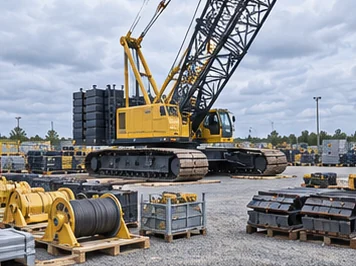
Separate owned equipment from leased, rented and borrowed equipment. A company may hold paid-off cranes through one entity, finance new units in another and rent temporary additions through a third. If a lender or lessor requires a loss payee endorsement, verify the exact entity and contract reference against the issued form. Review reporting rules for new purchases and the policies' provisions for unscheduled or newly acquired property before equipment leaves the yard. The dates of delivery, title, use and reporting are worth tracking on the same row.
Choose a supported value for the review
Start with a value that matches the insured property and the purpose of the number. The original invoice, current dealer quote, appraisal, book value and lease payoff address different questions. A rental contract may quote a fixed loss amount while a policy applies its own valuation terms. Ask what changes if a unit is obsolete, modified, imported or difficult to replace. Include permanently installed components and removable attachments in the discussion, and confirm whether the insurer requires separate scheduling.
Compare limits and deductibles with the distribution of values. Does a storm or fire at one yard expose several units at once? Could multiple units be at a customer's location over the same weekend? Would recovering the machine require specialized transport or bring in expenses the form treats separately? Check location or concentration limits, any applicable reporting distinctions, and how the deductible operates for a single event with several scheduled items. Document support for values periodically, especially after a major purchase or repair.
Review the entire trip from yard to return
A unit can be at the yard, in road transit, waiting to be unloaded, at a jobsite, awaiting pickup or back under the owner's control. Record who hauls it and who documents condition at dispatch and return. Ask how the wording treats each stage, including loading and unloading where relevant. A driver's receipt can establish delivery. Check the agreement and acceptance record for obligations the customer assumed. For a site that changes overnight, compare instructions and extensions with the original rental order and check the new location and term against the policy.
Check physical damage triggers and exclusions relevant to routine work. Examples to review include theft from unstaffed sites, equipment on or near water, collision in transit, breakdown, damage during erection or dismantling, and wear or maintenance issues. Confirm how the actual issued form treats each scenario, including any endorsements that alter the policy. Ask about claim notice and required records, and confirm how any endorsements affect the policy territory or covered operations. For a general orientation to commercial property and inland marine categories, see the California Department of Insurance Commercial Insurance Guide.
Distinguish rented-in units from equipment rented out
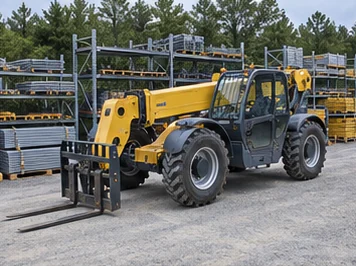
If you rent out a unit, confirm how the rental agreement allocates repair costs, theft, loss of use, delivery risk and return obligations. In an operated rental, describe what service the owner supplies and what the customer controls. In a bare rental, record who operates and supervises the unit and how the return condition is documented. Review customer insurance evidence in conjunction with the actual endorsements or other documents required by the agreement. Permission to rent a unit to others and permission to let another party operate or subrent it are separate contract questions.
If you rent in a unit, identify the term, value, territory, permitted use and owner. If you pass it along to a customer, compare the upstream agreement with the downstream order. Ask how each arrangement treats a different operator, storage location or extended return. Obtain written confirmation of the terms that govern your chain of custody. A damage waiver in the agreement requires its own reading for exclusions, caps and charges. Questions about a customer's promise of insurance need to be checked against policy terms and applicable law. The Texas Department of Insurance certificates guidance provides a state-specific example of the limits of certificates.
Treat lost rental income as a separate question
Record actual rental obligations, likely downtime and the substitute-equipment options available if a high-use unit is damaged. Ask whether the insurance program addresses rental income, what event starts the coverage period, which schedule or property it applies to, and how it values the income. A customer's responsibility for rental charges until return may differ from an insurer's obligation to cover income loss. Likewise, the cost of bringing in a substitute can fall under different rules than lost net revenue. Compare each assumption against the relevant wording and keep fleet utilization records that support a review.
Use the schedule before a purchase or subrental
Suppose a rental business buys a higher-value mobile unit and accepts a short-notice order requiring an additional machine from another owner. The new unit and the supplementary rental present distinct questions about dates, values and insured interests. Before dispatch, match both serial numbers to the proper legal entity, check the terms governing the downstream use, and capture what happens if either rental is extended. If transport and customer operation are supplied by different parties, add each name to the records and review the corresponding policy provisions.
Gather the current equipment schedule, related coverage forms, lender or lessor documents, example rental agreements and recent claims information. The Owned, Rented and Leased Equipment Schedule gives fleet and finance staff a common starting point. Prioritize the three changes with the greatest exposure, such as a new maximum unit value, overnight outdoor storage or operating in a newly added area. Bring the underlying agreements and change dates for a policy comparison through an approved exchange channel.