
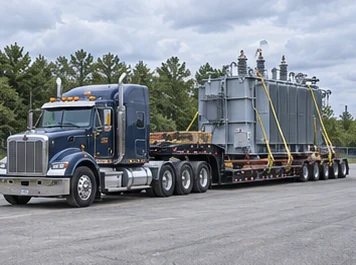
Distinguish vehicle, carrier and property interests
Prepare a schedule with the tractors, trailers, pickups, truck-mounted equipment and other relevant units. Identify the legal owner, registration and usual use, and show which party hires or supplies vehicles that do not belong to the insured entity. Compare vehicle identification numbers to declarations and schedules. Ask whether the form's rules for vehicle description and hired or nonowned autos fit what employees use. Note if workers drive company vehicles to job locations as well as haul equipment.
Compare the auto policy with any equipment, cargo, transit or GL policy relevant to the movement. Policy definitions and endorsements matter when a crane has road and operating functions, or when one company owns a trailer and another directs its use. Ask where the program addresses physical damage to the vehicle and equipment, liability to others and any cargo interest. The California Department of Insurance Commercial Insurance Guide offers an overview of common commercial auto coverage categories and covered auto distinctions.
Identify who accepts responsibility for the shipment
Document whether you haul your own unit, arrange a third-party move, or accept responsibility as a carrier for someone else's property. Ask who contracts with the shipper, which entity appears on the transport documents and who controls subcontracting or substitution. If the shipment passes through several companies, keep the dispatch confirmation, bill of lading, delivery receipt and relevant agreement. Read the definitions and conditions in each potentially applicable policy or contract before assuming one party's cargo arrangements apply throughout.
For some regulated movements, federal carrier liability rules may apply. Section 14706 of title 49 addresses qualifying carrier and freight-forwarder liability for loss or injury to property under receipts and bills of lading and includes provisions concerning limits in specified circumstances. Confirm applicability and any limitation or other contractual terms with appropriate counsel on the actual movement. Review any cargo policy and the insurer's duties separately. See 49 U.S.C. §14706 for the federal statutory text.
Keep regulatory filings separate from coverage decisions
Review carrier authority and financial responsibility with your transportation compliance team or advisor. The requirements can vary with the entity, vehicle, type of operation and cargo. Obtain any required documentation and confirm current status through the proper agency. A filing or endorsement serving financial responsibility requirements answers a different question from the scope of coverage for a particular crane, transformer or other load. Use the policy and its endorsements to make the insurance comparison.
The Federal Motor Carrier Safety Administration explains federal filing categories and applicable forms on its insurance filing requirements page. Identify any relevant state authority or permit separately. For an oversize move, obtain the appropriate project and transport documentation from the qualified parties who handle permits, loading and movement. Document what each agreement delegates. Ask the insurer or broker to identify the forms and endorsements addressing the operation.
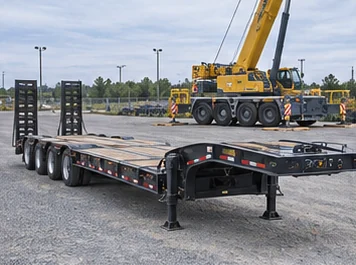
Trace unloading, parking and staging
A lowboy delivery can involve a staging yard, an overnight pause, arrival at a controlled entrance and a separate appointment at the unloading area. Confirm who arranges each location, what time the carrier's responsibility is expected to end and the records that show delivery, transfer or exception. Ask who holds the load if the rigger, owner or installation team cannot accept it immediately. If the unit remains on the trailer, confirm who controls the equipment and what the relevant policy says about that situation.
Ask about cargo or equipment limits and valuation, covered causes of loss, exclusions, requirements for a conveyance, and terms concerning storage, unattended property or loading and unloading. Review the terms for rented trailers, project-specific movements and temporary storage if they are relevant. A promise of a delivered value under the transport agreement may exceed the available limit or be measured under a different valuation method. Identify those gaps early enough for the parties to consider an alternative or clarify the promise.
Apply the questions to a hypothetical transformer delivery
Suppose an owner hires a carrier to bring a transformer to a fenced project. A separate rigger is expected to accept it in a designated unloading area, but installation is delayed until the next day. The purchase contract, transport documents and rigging order identify different people as the first person authorized to sign. Record who can receive the shipment, who documents condition and who retains custody if the crew has not accepted it. Review clauses governing waiting, storage and loss reporting.
If damage appears after final placement, collect the handoff times, delivery exceptions, photographs, communications and the actual agreements with their attachments. Those records can help distinguish events in transit from later movement or storage and determine which parties and insurers need notice. Applicable contracts, policies, law and the facts guide the liability review. Coordinate the coverage review across transport and installation with the installation and transit guide and examine property-of-others terms with the riggers liability guide.
Prepare a transport insurance review packet
Gather the vehicle and equipment schedules, transport and subcontractor agreements, cargo values, carrier selection records, policy forms and endorsements and relevant loss summaries. Include the largest typical and planned values in transit and at staging. Note shipments with overseas transit, water movement, specialized trailers, customer-supplied carriers or interchange with another company if applicable. Draw the custody sequence in a few lines so the reviewer can see where the trip and rigging scopes meet.
The initial review can identify issues that belong with your carrier, counsel, brokerage or an insurer. Ask for a written record of material confirmations before accepting a new role or moving into an unfamiliar territory. Send full agreements and claim materials through an approved channel. The equipment review guide gives a second checklist for describing your own and rented machines independent of the customer's cargo.
Keep an exception list for moves that differ materially from the submitted fleet profile. A newly acquired trailer, an unfamiliar carrier arrangement or a larger value at a staging location may merit written review before the same process is repeated on the next order.