What is the property being handled?
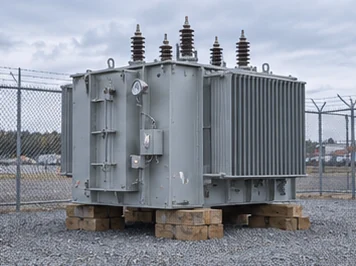
Start with the item itself. A transformer, turbine component or production machine may belong to the customer, a lessor, a manufacturer or an entity that will take title at a later milestone. A purchase order may name one party while the transport paperwork names another. Ask which party has an insurable interest at each stage and who can substantiate the value. Identify equipment included in the work, such as separately shipped controls, cabinets and attachments. A general description like electrical equipment can hide several separate delivery and acceptance dates.
Property being handled deserves its own entry in the coverage review. A damaged crane, a dented customer machine, a ruptured pipe near the work area and an injured visitor raise different questions. Locate the insuring agreement or endorsement that would be relevant to each exposure. For the load, check whether the form addresses legal liability for damage to property of others, a direct property interest, or another arrangement. The insuring agreement can identify who may recover and what facts the wording requires the parties to establish.
Document custody through the work order
Identify who is expected to receive the load and who physically directs or holds it at each handoff. Record authorized signatories and the documents they actually sign. For a delivery into a plant, that may include a carrier receipt, unloading record, staging release, internal movement ticket and placement acceptance. Add any return, rehandling or overnight pause to the chronology. A work order might allocate custody at arrival while site personnel act as if it transfers only when a supervisor releases the load. Resolve that difference before work begins.
Review the policy language for the scope of handling. Ask whether the form addresses the movement between truck, staging area and work position. Confirm location, territory, temporary storage, loading and unloading terms, and the point at which the described operation ends. Some jobs include disassembly, testing or later return trips. A single line in the proposal may omit those parts of the work even when the contractor intends to perform them. Give the insurer or broker a plain narrative and the corresponding contract excerpts so the review uses the real operation.
Compare acceptable values, limits and triggers
Request the owner's documented value and what it represents. The purchase price may differ from the cost to replace a tailored unit, repair a component or source parts abroad. Separately identify packing, freight, rehandling, expedited replacement and other costs the owner expects to recover. Compare the contract's damage and delay provisions with the policy's valuation and covered-loss terms. Bring a purchase invoice as supporting evidence and ask how the insurer evaluates a claim under the particular form.
Find the limit and every qualifier that affects it. Check per-property, per-occurrence or location limits, aggregate provisions where applicable, and any special condition for high-value equipment. Record how deductibles or retentions apply to multiple items in one event and whether a contractual cap has exceptions. If the owner requests a larger limit for a specific move, seek confirmation of the relevant issued terms for that move and verify the limit separately from the other liability lines. Ask whether expense to defend a claim reduces the limit if the policy addresses that cost.
Read the contract, certificate and issued forms together
The contract describes commitments among parties. The certificate provides a summary of certain insurance information. The insurer's obligations are governed by the policy and applicable endorsements. When a contract requests protection for another party, obtain the document that actually grants or defines that status and verify the named legal entity, operations, dates and conditions. Ask counsel to address enforceability and the allocation of responsibility where contracts conflict. Texas provides a state-specific example of certificate restrictions through its insurance department's certificates FAQ.
Look carefully at demands for liability regardless of fault, consequential loss, reimbursement of downtime and waivers of recourse. A contractual promise may operate differently from an insurance grant even if both contain the word loss. Bring the proposed language to the review before signature, especially where there is an indemnity over and above damage to the load. See the lift and rental contract review guide for how to record differences among the documents.
Follow a hypothetical transformer through the handoff
Assume the owner purchases a transformer and hires a carrier to deliver it to a fenced site. A rigger is separately contracted to accept the unit at a designated unloading area, stage it until the installation area is available and place it on a prepared foundation. The purchase terms, carrier receipt and rigging order need to agree on the working handoffs. If the owner asks for an extra day of storage, record who controls the area overnight, who accepted the change, and whether the policy under review includes that location and stage.
If concealed damage is discovered after placement, an adjuster may need to distinguish pre-existing damage from events during transportation, unload, staging or the work itself. Preserve condition checks, dated photos, delivery exceptions, dispatch records and applicable agreements. Capture who observed what and when the owner was notified. A record of the handoff helps evaluate several potential policies and any recovery rights. Compare those records against the project agreements and issued insurance forms before reaching a coverage conclusion.
Prepare a concise review packet
Bring the current declarations, coverage forms and endorsements for the load and other implicated lines, the unsigned work order or latest contract, a custody outline, and an evidence-backed value schedule. Add largest completed jobs, forecast high-value loads, the locations and industries served, and a summary of relevant claims. For changes in scope, note when responsibility starts and ends and any work done by others. Use the High-Value Load Information Worksheet to organize the initial details and the project handoff worksheet for the sequence.
At the review, assign an owner to every unresolved question. Operations can confirm the actual role and acceptance procedure. A customer can confirm value and authorized signatories. The brokerage can compare issued forms and seek clarification through the appropriate channel. Counsel can assess contract wording. Ask for a written record of decisions before anyone relies on a coverage assumption, and exchange full policies or loss records through an approved channel.