
Start with the property and the interested parties
List the item, the owner at each material stage, the purchaser, any secured lender or lessor, and the contractor or subcontractor with relevant responsibilities. Identify major components that travel as separate shipments or may be stored at different locations. Obtain the purchase order or supply agreement and confirm which party is expected to document value. A purchase invoice can be useful evidence, while the policy terms govern the valuation basis for a covered loss.
Clarify whether the policy under review insures direct physical loss to property, liability for damage to property of others or another described interest. Ask who is insured, which property qualifies, which locations are listed and what changes at transfer. A direct property interest in an installation project differs from the claim a contractor may face for damage to an owner's material. Read each policy and endorsements applicable to the actual project. The California Department of Insurance commercial insurance guide gives general context for inland marine and commercial property categories.
Draw the sequence from release to acceptance
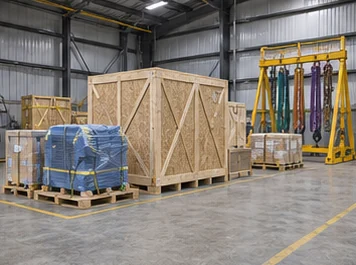
Set out where the equipment starts, who packs or takes possession, who provides transport, where the load may wait and when each party hands over responsibility. Include unloading, temporary storage, placement and any testing or commissioning described by the agreement. Capture the insurance-relevant milestone and known evidence beside every stage. This might include a dated shipping receipt, a condition report, an inventory record or signed acceptance. Use the documents the parties actually plan to issue.
Check which documents govern if timing changes. A carrier may arrive before the site is ready and the owner may ask to hold the load off-site for a second delivery. Identify the substitute location, length of the pause and who is expected to control the shipment. Review the relevant territorial and temporary storage terms and whether an extension or other written confirmation is needed. Staging is an operational stage worth describing on its own even where several agreements call it part of delivery.
Read the form’s triggers, limits and conditions
Confirm when potentially relevant transit or installation coverage begins and ends under the policy. Ask about acceptance, occupancy or operation, delivery, completion, unloading and testing when they appear in project milestones or forms. Determine whether different triggers apply to separate components or contractors. Review geographic territory, transit routes or modes, and any terms governing temporary storage or material owned by another company.
Check how limits and sublimits apply at a single location, on one conveyance or during a particular phase. Identify deductibles or retentions and how values are determined. Review exclusions, conditions and endorsements relevant to theft, handling, packaging, delay, data, defects and testing where the facts call for them. For each scenario relevant to the job, ask the reviewer to identify the provision that addresses it. If an installation has time-sensitive replacement or commissioning requirements, discuss those costs and expectations separately and seek a written answer about the actual forms.
Compare parallel policies and obligations
A project may involve a buyer’s property arrangement, a carrier’s cargo insurance, a contractor’s riggers liability policy, and an installation or construction property form. Identify separately which policy might protect the owner’s interest in the equipment and which might address a contractor’s responsibility. Ask about other insurance clauses, liability limitations, notice and recovery rights. Review whether the contract requests a waiver of subrogation or protection for another party, then check applicable endorsements and have counsel review contractual obligations.
Financial responsibility, a certificate and a transport receipt each illustrate a different part of the record. The certificate can help you find policies and dates. Policy terms establish the insurance grant. Review the delivering carrier’s obligations with the appropriate transportation counsel and insurer, especially where transport, loading or unloading services overlap. The auto and transport exposures guide outlines the vehicle and cargo questions. The riggers liability guide focuses on the property in the contractor’s scope.
Use a hypothetical transformer to test the boundaries
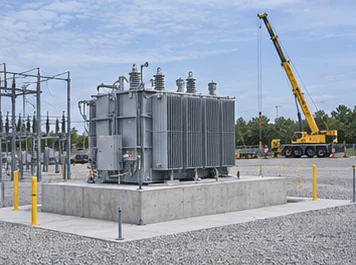
Assume the owner buys a transformer that will be delivered by a carrier, accepted by a rigging contractor for unloading, temporarily staged and moved to a foundation by the contracted crew. Date the expected custody and condition records and note which party has authority to sign. The installation agreement conditions final acceptance on a later inspection. The team should verify any policy stage involving storage, placement, testing and acceptance against that timeline. If equipment arrives before the site is ready, record revised instructions and determine who can authorize the change.
A hypothetical damage allegation after placement shows why those details matter. Damage might have occurred earlier in transit, during unloading, in storage, during handling or after a milestone that changes the insurance analysis. Keep a timeline, condition reports, documentation of delayed delivery or rehandling, and the contracts that allocate responsibility. Provide timely notice to appropriate parties under governing agreements and policies. Let the applicable terms and facts determine coverage and responsibility. The example illustrates evidence to collect before or after a disputed handoff.
Bring the job packet to a focused review
Gather purchase terms, transport and rigging agreements, the installation scope, existing insurance forms, property values and the project milestone schedule. Include locations and timing for any planned or contingency storage. Describe the largest value expected at a single location or in transit and the documentation used to support it. Use the Project Handoff Worksheet to assign an owner to every unresolved transfer. Bring a representative completed job and the current proposed job when comparing how responsibility changes.
During an insurance review, walk through each stage against the current wording and identify the information still needed from the owner, carrier, installer, counsel or insurer. Confirm the process for documenting changes before work proceeds. Where relevant, ask about claims notification and how each party can preserve documentation. Use an approved method to exchange policies, commercial agreements and high-value load details.