Assemble a layer map from the issued policies
Create a row for each policy, including the named insureds, policy period, carrier, limits, forms, endorsements and scheduled underlying policies. Mark where the layers attach above GL, auto and employers liability, as applicable. Capture sublimits and deductibles or retentions separately. Do the same for any project-specific policies. An umbrella may address more than one underlying line, and a policy called excess may be written over only specified coverage. The declarations, underlying schedule and issued forms show how an actual program is built.
Start with the line relevant to the risk. A contract might ask for a combined liability limit while separately requiring property being lifted protection at a stated value. Check whether the specialized coverage is on the umbrella's underlying schedule and whether any endorsement addresses it. Ask separately about cargo, equipment, pollution or professional coverage. Record which of those lines has its own placement or limit. The California Department of Insurance commercial coverage guide describes common commercial casualty categories and provides a starting point for terminology.
Check the attachment wording and maintenance duties
Read the policy sections on attachment, exhaustion, underlying insurance and notice. Capture what must happen before the next layer can respond, who must make any required payments and which expenses count toward exhaustion. Ask what the wording says if an underlying insurer disputes a claim, becomes impaired or pays below its stated limit. Whether any umbrella provides separate coverage subject to a retained limit depends on the terms. Have the reviewer point to the provision that answers the scenario.
Compare the underlying schedule with the final bound program. Insured names, policy periods, carriers and limits should be reconcilable. If a renewal introduces a large deductible, a changed aggregate or a new underlying insurer, verify the implications in each upper layer. Track any duty to maintain scheduled underlying insurance and communicate changes. For a program with multiple renewal dates, give each change its own effective date and record the broker or insurer confirmation before assuming the layer map remains valid.
Compare the scope of follow-form excess
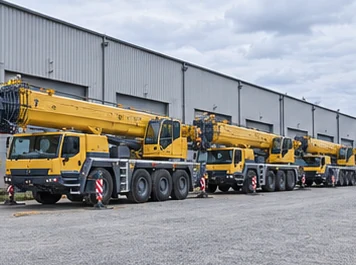
An umbrella or excess policy may incorporate underlying terms for specified coverage and still apply its own exclusions, definitions or conditions. Request a side-by-side comparison of each line's operations, insureds, endorsements and territory. Look for details relevant to your business, such as operated rental, other equipment rental, transport of heavy units, work at waterfront sites and use of subcontracted cranes. Record whether a condition applies differently to the primary and excess forms.
If a project requires additional insured status or a specified priority of recovery, check how the upper layer would apply that request. Ask what underlying coverage is required and whether any separate exception or endorsement applies at the higher level. Confirm contract dates, ongoing and completed operations as requested, and relevant notice provisions with counsel or the appropriate insurance reviewer. A certificate is useful as an index of policies and dates. Its effect must be understood separately from the policy, as the Texas Department of Insurance explains in its certificates FAQ for that jurisdiction.
Review a hypothetical incident involving several types of loss
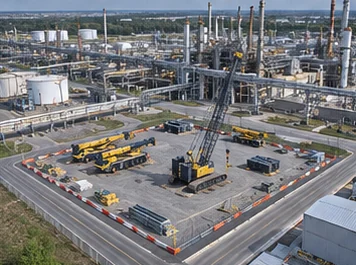
Assume a crane company accepts a large plant project. Its customer requests an additional layer over GL and auto, a separate limit for a high-value machine being moved and an endorsement naming a particular owner entity. The crane company also rents in a second unit with a different operator to complete the job. A hypothetical event damages adjacent plant property and the machine being handled. Those demands can arise from the same incident and require separate analysis of the applicable forms.
For the neighboring property allegation, locate the underlying GL form and determine what the upper policy says about scheduled underlying coverage and attachment. For the machine being handled, review the property-of-others terms and any condition or exclusion in the potentially relevant policy. Identify whether an umbrella expressly contemplates that line before including the upper limit in the analysis. For the rented crane, compare equipment interests and contractual terms separately. This example illustrates the questions a layered review should surface. Actual treatment depends on the contracts, facts, policies and governing law.
Sort insurance issues from contractual negotiation
Ask the project owner for the exact limits and coverage terms, including whether they are per occurrence or aggregate and whether completed operations must extend for a stated period. Check wording about owner-controlled or contractor-controlled arrangements if a project uses one. Obtain any project documents that identify eligible entities, enrollment and scope. Compare those documents with the company's practice for work performed away from the enrolled location or outside the enrolled operations.
Record requests the current terms might not support. Examples include an upper layer over a specialized property exposure, a separate project aggregate or broad status for parties whose names and roles are uncertain. Possible resolutions may include narrowing a requirement, changing the scope, seeking an endorsement or exploring a distinct insurance arrangement. Counsel can address the contract implications. An insurer's current forms and confirmations should support any insurance commitment accepted in the final agreement.
Use the tower map at renewal and before major bids
Bring underlying and upper-layer policies, sample bids and agreements, loss summaries, a brief operating narrative and revenue breakdown by material operation. Include changes in entities, territory and work performed. Add one completed job and one upcoming project with higher requested limits so the reviewer can see both ordinary and atypical exposure. In the tower map, flag the first event after each renewal that depends on a major layer and identify someone responsible for updating the map.
In an initial discussion, compare requested terms with the current structure, identify limits and endorsements that need written confirmation, and decide which questions belong with counsel or the insurance reviewer. The renewal readiness guide provides a checklist of records to gather. Use a secure approved exchange for complete policies, agreements and loss information.
Related Montridge resources
Review risk-retention concepts that may matter to larger fleets. Captive insurance and risk financing