
Map the unit, components and contracting parties
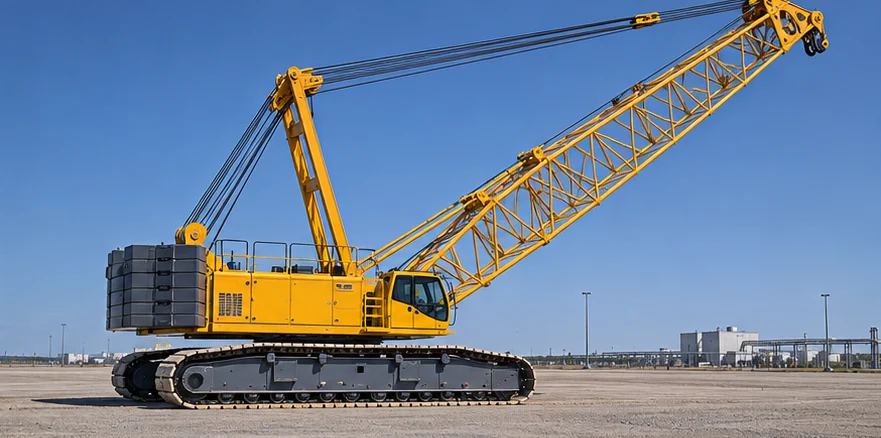
Build a schedule that connects the carrier or base unit with its boom and jib sections, counterweights, tracks and other scheduled or separately valued property. Record serial numbers where available, values, who owns each component and the terms of any rental or borrowing arrangement. A unit may be listed by a single value while important components travel on different trucks or are stored in different locations. Give the broker enough information to identify both the inventory and the maximum value at a specific site or storage yard.
Confirm who issues each work order. One firm might own the crawler, another might provide an assist crane and assembly labor, and a third might employ the operator. On a different job the same insured could furnish everything directly. Distinguish the work the insured performs from the work it subcontracts or arranges. Provide the project timeline and the agreement for each handoff that changes responsibility. Start with the equipment schedule in the resource center.
Compare insurance terms at each stage
Transportation raises separate questions about the owned crane, an outside carrier’s cargo obligations, owned and non-owned vehicles and any third-party property traveling alongside the unit. Ask when the carrier accepts custody, what property is identified in the shipping documents, who is responsible for loading and unloading, and what happens if delivery dates shift. The FMCSA cargo securement rules are a federal reference for covered motor-carrier operations. Identify who verifies the legal and operational requirements for the shipment. Provide the broker with the transport agreement and receipts so it can review how the insurance terms apply to the actual arrangement.
At the site, identify when components are staged or accepted and who bears loss before assembly. If heavy components are delivered in waves, document which party has custody overnight and whether the site or yard changes during that period. Review the contractors equipment wording for property away from a listed location, temporary storage, leased components, theft conditions and valuation. Any policy might distinguish among causes of loss or impose specific conditions. Compare the actual terms to the proposed location and ownership.
Assembly and disassembly deserve separate attention from the lifts the crane is hired to perform. Determine who employs the people performing each stage, who provides the equipment, and who has duties to inspect and accept the assembled unit. If the company uses a separately hired assist crane, distinguish damage to that crane, damage to the crawler components being handled and damage to property elsewhere at the site. Ask the broker to compare policy descriptions, limitations and applicable endorsements for each party and each item.
During operations, identify who owns the lifted property and when the contractor accepts custody. Ask about the highest likely value of a single load or multiple items in one location, and check whether the supplier, the operator’s employer or another contractor is required to protect that property. A policy covering a crawler crane as equipment may address a different insured interest from the coverage that applies to a load.
Identify who retains project and equipment records
Federal OSHA Subpart CC’s scope provision covers specified power-operated equipment when used in construction, subject to the rule’s limitations. Federal 29 CFR 1926.1404 addresses general requirements for assembly and disassembly. It includes requirements for the person directing that work and references the inspection required after assembly. Federal 29 CFR 1926.1412 addresses inspections and includes provisions for post-assembly and other inspection circumstances.
Confirm the work setting and whether an OSHA State Plan applies. Ask the responsible parties where they maintain applicable inspection and employer records, who receives a copy when responsibilities shift and how issues are documented under their procedures. The review benefits from an agreed record set. Capacity determinations, engineering and authorization to assemble or operate belong to the responsible project professionals.
At renewal, summarize how the business handles equipment changes. Give the broker an example of a new component being acquired or substituted, a recent inspection issue that influenced operations, and the authority used to approve a change. The file should explain whom to contact when a subcontractor supplies an operator or performs assembly. A current roster and agreement help establish the employer and the actual work when the facts are reviewed after an incident.
Hypothetical delivery and assembly delay
Assume a crawler owner supplies an operated unit for a bridge contractor. A carrier delivers the base and several components on separate trailers. A different contractor is expected to provide an assist crane for assembly. The GC asks for part of the equipment to remain staged for three extra nights while access conditions are addressed. The crane owner needs to know who acknowledged the delivered property, where it will be kept and whether any agreement changes the owner’s obligations during the delay.
Collect revised work dates and storage information, condition records and shipping receipts, the crane rental or subcontract, and the rules the site uses to identify who controls the laydown area. Ask for the exact wording of any requested extension to the crane owner’s assumed responsibilities. The broker can review the relevant equipment, transit, contractual and liability terms, including who is shown as an insured and what limits or conditions may apply. The project team makes the operational decision once it can evaluate the facts.
Bring a crawler job from beginning to end
Prepare one representative project timeline and one atypical timeline showing new equipment, a multistate trip or a different rental arrangement. Include the values and ownership of crawler components, any assistance or transport subcontract, a summary of applicable equipment records, the key insurance exhibit and current policy schedules. For a new or more valuable unit, the new equipment and operations guide identifies decision points to raise before deployment. The mobile crane guide helps compare configurations and transport responsibilities when a firm also operates wheeled units. In a review, ask whose property and which phase the insurance is intended to address, then compare that answer with the job file.