
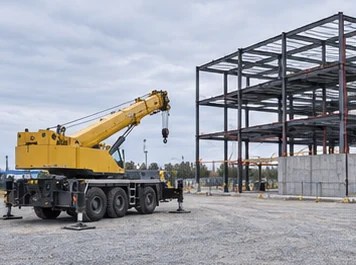
Describe the material and your obligations at each phase
Tell the broker whether you fabricate, transport, unload, store or erect steel, or perform several of those activities under one agreement. Identify where subcontractors or the GC take over. A firm that furnishes erection labor and a crew supervisor needs a different review from one that takes custody on delivery, supplies a crane and joins field-fabricated components. Use plain descriptions of the activities and identify which insured entity undertakes each one.
Gather the documents for the fabricator, hauler, crane supplier and any staffing or specialty vendors. Check how each defines delivery, completion or acceptance and whether those definitions match at the overlap. The carrier may document delivery at the site gate while the erector’s work order starts at the laydown area. If those places differ, document who moves the steel between them and who signs for condition or quantity. A shift in the drop point can affect the obligations of several parties.
State the largest concentration of owned, borrowed or customer property at one site. Ask what property the project owner or GC expects an installation or builders risk program to address, who is identified in that program, and how the policy treats storage, transit and other stages. Check evidence and actual wording, including insured property definitions, exclusions, valuation and deductibles. Distinguish the cost of a delayed steel delivery from physical damage to property and ask which contractual provisions address each consequence.
Review site readiness and crane responsibilities
Federal OSHA addresses covered construction steel erection in Subpart R. 29 CFR 1926.752 addresses written notices before erection, site layout and pre-planning of hoisting, and identifies circumstances involving a site-specific erection plan. 29 CFR 1926.753 addresses hoisting and rigging and identifies how Subpart CC applies, with the exception stated in that rule. Confirm whether the operations and site fall within the cited rules and whether an OSHA-approved State Plan governs the work. OSHA’s steel erection site preparation eTool provides additional context.
For insurance review, record the parties that communicate readiness, control access, furnish site information and accept the equipment or material at each stage. Identify the employer of the operator and the workforce supervisors. A rental order might state that a crane arrives with an operator while the main contract assumes the erector will provide one. Clarify the responsibilities and named parties alongside an issued agreement instead of relying on assumptions made during bidding. For projects where an applicable rule requires a notification or record, identify the party responsible and where the record will be retained.
Document how field changes reach the people authorized to act. An unexpected delivery location, a different crane supplier or a restriction on site access can affect each company’s obligations. The qualified project team decides whether the change is operationally acceptable. The contracting team records whether the obligations change, and the broker can compare the amended scope to applicable policy terms.
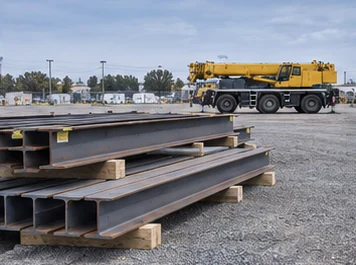
Separate the crane, lifted steel and other property
Damage to the crane is an equipment question. Identify whether the erector owns the crane, rents it, or receives crane service through an independent supplier. If the erector accepts responsibility for a rented unit’s physical damage, ask which equipment form, schedule and valuation language apply. Review theft, storage and transit conditions where relevant, along with any charge for damage-related downtime in the rental agreement.
Damage to the steel being moved raises a separate issue about the property interest, who takes custody and what the policy covers. A steel shipment can pass through a carrier’s hands and the erector’s custody before becoming part of the project. Tell the broker when each phase starts and ends, and point out any owner-supplied components or other property added late. Compare assumptions about installation, transit and riggers coverage with relevant forms and endorsements. If the parties expect a project policy to respond, identify who can confirm the precise edition and terms in effect.
Alleged damage to neighboring property or property already in place can raise different questions. Review the general liability form and any limitations on work, property and the status of the parties. An excess policy has its own terms as well. Give the broker both the primary and excess wording, underlying schedules and insurance requirements. Avoid treating an excess limit as an answer to an exclusion or condition until the policy review resolves it.
Clarify who employs and supervises each crew
Identify who employs operators, riggers, connectors and other personnel and who directs their activities. Give the broker state and payroll information by actual task and project type. A job might involve own employees, a subcontractor’s supervisors and temporary workers used for certain duties. Bring the staffing or subcontract agreement and describe the practical allocation of supervision. This information helps the review address workers’ compensation and employers liability questions, contract requirements and any requested endorsement.
Where a supplier or subcontractor is required to furnish insurance evidence, keep it with the related agreement and current term. Compare a certificate’s entity names and dates with the contract, then check any needed endorsements and policy provisions. Separate that review from safety records, owner signoffs or contractual acceptance criteria. The lift and rental contract review guide provides a way to organize those documents.
Hypothetical delay before the first lift
Assume fabricated steel arrives two days early. The GC asks the erector to receive the steel and keep it at a separate staging area until the site can release it for erection. The original scope identifies delivery to the main site and starts the erector’s role later. The new request raises questions about acceptance, off-site or separate staging, who moves the steel again and who bears the financial risk while it waits.
Identify the revised delivery and storage locations, the value of steel expected there, the intended start and end times, the responsible custodian and written evidence of acceptance. Ask the contracting team whether the revised obligation belongs in the existing subcontract or requires a change order. Ask the broker whether the new location, activities and property are addressed by the applicable policies. Bring your subcontract, rental terms, fleet and equipment schedules, a representative project and a recent scope change to an insurance review. Use the project handoff worksheet to assign each unresolved question to a named party.
Related Montridge resources
Review the structural steel subcontract and broader contractor program. Steel erection contractor insurance