Describe the service in terms of specific activities
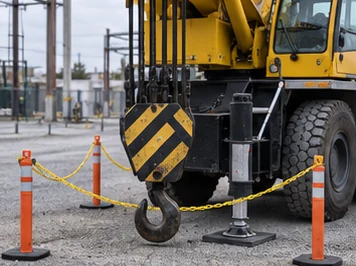
List the services the firm performs, including unloading, rigging, moving within a facility, setting on a foundation, temporary storage and work after placement. Include dismantling, installation, project coordination or engineering-related commitments when the business actually accepts them. Avoid a description such as “industrial services” when it obscures material differences. A crew that hooks a customer’s machine and leaves after placement takes on a different assignment from a firm that promises removal, packing, transport and reinstallation.
Record who furnishes the crane, operator, lift gear, transport and any specialist labor. Name the entity on the customer order, the employer of the personnel assigned, and the entity on each equipment rental or subcontract. Estimate the share of work in each category at renewal. If the business uses a separate entity to hold equipment, identify the owner as well as the entity entering the agreement. The policy definitions, insured schedules and any agreements between related companies can matter to a review.
Give the broker a summary of the types of property normally handled, typical values and the highest known values. Report unusual risks individually, including equipment with limited replacement availability, sensitive components, owner-furnished lifting fixtures or work in occupied plants. Document how value information comes from the owner and how the parties record condition at the handoff. A replacement-cost estimate should be identified as an estimate, with the date and source.
Ask what property the policy addresses
A riggers liability review starts with the actual insured interest and what the policy responds to. Ask which party must have legal liability, which property and operations are within the grant, and whether an endorsement identifies locations, territories, work types or relationships. Ask about limits per item, occurrence or location, and any separate deductible or valuation provision. The term “riggers liability” alone does not establish a shared definition across policies. Compare the policy definitions and exclusions with the job.
Review nearby and existing property separately. A claim may allege damage to the item the contractor handled and damage to a production line beside it. The agreement may describe both as the owner’s property. Identify which items were in the contractor’s custody and which were being worked on, and ask how the general liability form or applicable endorsements treat the relevant allegations. If the owner also asks for its loss of use or project delay costs, ask counsel to review the contractual obligation and the broker to assess whether an insurance form addresses that kind of loss.
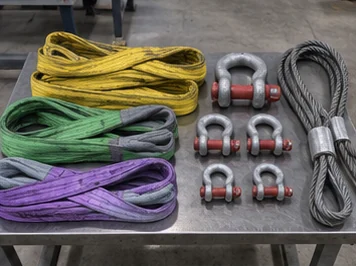
Owned equipment and rented equipment add another question. A rigger may own slings and specialized handling equipment but rent a crane with an operator for certain jobs. Identify who owns each piece of equipment, who accepts liability for physical damage, whether hired equipment is scheduled and who bears charges associated with damage or downtime. An insurance requirement on a rental order needs to be compared with actual insurance terms and the separate customer contract.
Match the contract and evidence to the work order
Read the complete customer agreement, its insurance exhibit and the work order together. Verify which version was accepted, which entity signed it, and whether the purchase order or portal adds terms. Note when responsibility begins and ends, any exclusions from scope, who supplies equipment or engineering, and who approves an expansion. Ask counsel to review indemnity, defense obligations, limitations of liability and governing law. The broker can compare insurance requirements with the policy and endorsements. This review is especially useful when the written price and scope business teams approved differ from the agreement a customer later supplies.
A certificate can communicate policy information and dates. The actual policy and any endorsements determine rights and coverage. For a requested additional insured endorsement, identify the parties, relationship, operations and timing described in the contract. Give the broker the exact requested wording, the agreements and the policy documents. For a lift assignment with high-value cargo, walk through custody and property questions even when the certificate meets the format the customer asked for. Start with the lift and rental contract review guide.
Identify applicable records and responsibilities
In covered federal construction settings, OSHA’s rigging equipment standard addresses rigging used in material handling. OSHA’s construction crane keeping-clear-of-the-load rule includes a qualified-rigger provision for specific circumstances addressed there. In covered federal general-industry settings, OSHA separately publishes a slings standard. Confirm applicability and any State Plan requirements with the responsible employer. The qualified project team directs and approves the operation.
For insurance review, record who maintains applicable equipment inspection and personnel qualification evidence, where it can be obtained, and who approves substituted equipment or changes in staffing. When a subcontractor brings its own crew, obtain the governing agreement and identify which organization is responsible for its records. The Specialized Carriers and Rigging Association is an industry resource for crane, rigging, machinery moving and related businesses. Regulatory duties should be checked against the applicable law and agency guidance.
Hypothetical custody change during a job
Assume the scope says a rigger receives a crated machine at the facility’s staging area and moves it to an identified position inside the plant. Before arrival, the carrier asks whether the rigger can unload it from the trailer. That request changes the handoff point, the other parties present when custody might transfer, and the records used to document the machine’s condition. Obtain the proposed written scope and delivery record, check who can approve the change, and identify exactly when the owner expects the rigger to take responsibility. If the parties revise the agreement, ask the broker to compare the revised activities with the policy terms before relying on insurance for the expanded work.
Bring a recent work order, the corresponding customer contract and any equipment or labor subcontracts, a summary of load values, a fleet and rigging schedule and a short description of the change under discussion. Use the project handoff and load worksheets to organize the facts. Start the insurance review with the responsibility the company is being asked to accept and the point in the job when that responsibility begins.
Related Montridge resources
Review the broader trade and subcontractor program. Construction crane and rigging contractor insurance
Review who directs supplied workers and approves changed duties. Construction staffing insurance