Start with a timeline from shutdown to turnover
List the exact work the contractor agreed to do at each site. For a removal, that can include identifying the equipment, coordinating with plant staff, disconnecting agreed services, dismantling agreed parts and transferring the equipment to the party authorized to receive it. For installation, identify whether the contractor unloads, stores, positions, mechanically installs, aligns, connects, tests or supports the start-up. Name the parties furnishing electrical, piping, controls and other specialist services. Different shifts of the same job may involve different employers and different custody.
Identify who directs the operations at the plant and who owns or controls equipment under the work order. A plant may produce the shutdown schedule while outside trades control their own assigned work. A mover may arrange transport through another company, while an installer is waiting at a different location. Keep the agreed services and the actual handoff information together so leaders in both facilities have the same understanding of what starts or ends at each stage.
Provide the broker with the current job order, facility contacts and vendors’ scopes along with the equipment description and applicable values. A used production machine may have a stated value in a customer inventory that differs from the owner’s estimate of replacement, reinstallation or expedited recovery cost. Ask who supplied each value and what it includes. The policy’s valuation language controls how a covered loss would be evaluated.
Address existing property and downtime separately
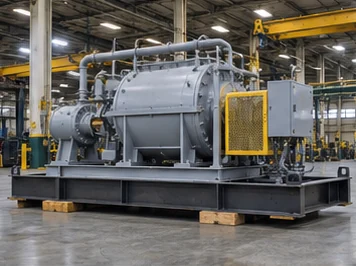
During a move, the property in custody may be a particular press, production cell or packaged machine. Other property may include attached services, nearby production equipment, floors, structures and inventory. Make a property list and show where areas are shared with other contractors or ongoing operations. Consider whether either contract treats the existing facility and equipment differently from the machinery being moved. Ask how the applicable liability, riggers, equipment or installation terms define insured property and address the work in progress.
A customer may ask about the cost of waiting for a replacement, line downtime or an interruption at both the old and new facility. Those consequences may sit outside the cost to repair physical damage and may involve contractual terms, customer property coverage or other provisions. Ask the customer to state what it expects and the project attorney to assess the contract language. Ask the broker to identify insurance provisions that address the relevant loss categories, and confirm the required limit or territory before accepting a commitment.
Operations managers should tell the broker when machinery handling includes design, modification, testing, operating advice or responsibility for output specifications. That matters even if the proposal lists these services as incidental to the move. Identify who performs them and who approves the final scope. Separate a request to position a machine from a guarantee that it will meet a production requirement after restart. Those responsibilities warrant different documents and insurance questions.
Review the transport, storage and placement boundaries
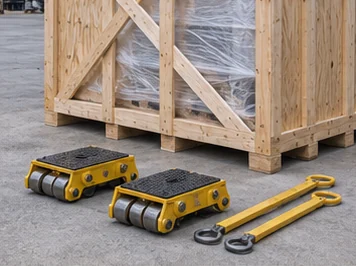
For a move that crosses public roads, determine who contracts with the hauler, who confirms shipment identity and value, and what documents establish transfer from the old facility to the carrier and from the carrier to the receiving team. If the mover provides its own transport, explain the vehicles and duties. If an outside vendor transports the machinery, bring the carrier agreement and available insurance information. Ask what property is covered, where and when custody or transit is treated as beginning and ending, and how loading and unloading are addressed.
If temporary storage is possible, record the proposed storage address, expected time and conditions, access arrangements and highest values at a single location. Tell the broker whether the move typically includes a warehouse, on-site staging or off-site holding for a later installation. A short delay can move a machine from one contract stage into another. Review the terms before treating a temporary-storage assumption as binding. Use the contract review guide and the equipment and handoff tools to track the questions.
Verify site procedures with the responsible team
Federal OSHA’s hazardous-energy control rule, including paragraph (f)(2), addresses communication between on-site and outside employers when outside servicing personnel perform work within the rule’s scope. Applicability depends on the activity and setting. Check whether an OSHA-approved State Plan applies. Energy-control procedures and release decisions belong to the responsible employers and qualified project team.
The broker may ask who coordinates with plant staff, how the contractor records authorization to begin work, and what evidence identifies responsibility during each shift. Gather the project’s agreed communication and signoff records. Where the move includes covered construction crane work, check Subpart CC scope with the project team rather than assuming the same rules govern every phase. The insurance review uses these facts to understand scope and responsible parties. It does not establish readiness to isolate, move or operate a machine.
Hypothetical plant move delayed at the receiving site
Assume a millwright removes and stages a machine at Plant A, an outside hauler carries it to Plant B, and the millwright returns to set and align it. A delay at Plant B means the carrier asks to deliver to a temporary warehouse. Identify who can accept the change, who has custody at the warehouse, when the carrier’s responsibility ends, who confirms new condition information and who will take responsibility for the second trip. Obtain the revised work order before relying on the original scope.
The broker can then compare the actual mover, carrier and warehouse arrangements, the equipment and installation forms, locations, values and applicable transit terms. The project team still owns the decision to proceed. Bring these facts to a crane and rigging insurance review with a typical move, a higher-value move, actual policy and endorsement language, subcontract and carrier agreements, and an outline of past losses and operational changes. For additional preparation, review renewal readiness and the rigging contractor guide.